


Natural Mattress Fillings for Cooler, Fresher Sleep
Overview
A mattress does far more than provide support; it also shapes how warm, dry, and comfortable you feel through the night. For many people, overheating is one of the biggest barriers to deep rest, which is why natural mattress fillings have become increasingly popular. Materials such as wool, cotton, and cashmere are valued not only for their comfort, but also for the way they help create a fresher, more balanced sleep surface.
Unlike dense, heat-trapping layers, natural fibres tend to encourage airflow and manage moisture more effectively. That makes a breathable mattress especially appealing for anyone seeking cooler sleep without sacrificing softness or support. At Carter & Lewis, this approach aligns naturally with handcrafted design, where premium fillings and thoughtful construction work together for lasting comfort.
Better temperature control often starts with the materials closest to your body
In this guide, we explore how natural fillings work, which fibres offer the greatest benefits, and how to choose a mattress that feels cooler, fresher, and beautifully comfortable night after night.

Why Natural Fillings Help Regulate Temperature
Natural fibres help regulate temperature because they respond more intelligently to the body’s changing conditions during sleep. Instead of simply insulating or trapping heat, they allow warmth and moisture to move away from the sleeper. This matters because temperature shifts are normal overnight, and a mattress that cannot breathe well can leave you feeling stuffy, clammy, or restless.
Natural mattress fillings such as wool and cotton have an open, airy structure. That structure promotes ventilation inside the mattress, helping fresh air circulate while excess heat disperses. Many of these fibres are also naturally moisture-wicking, which means they can absorb perspiration and release it gradually, supporting a drier and more comfortable sleep environment.
For people who struggle with night-time warmth, this combination is a major advantage:
- Less heat build-up around the body
- Better moisture control
- A fresher mattress feel over time
- More consistent comfort across seasons
In short, temperature regulation is not just about feeling cool at bedtime; it is about maintaining balanced comfort until morning.
Wool, Cotton and Cashmere Mattress Benefits
Each natural fibre brings something slightly different to the sleep experience. A wool mattress is often prized for its ability to balance warmth and breathability at the same time. Wool can insulate when the room is cool, yet it also helps release excess heat and manage moisture when temperatures rise. That makes it one of the most versatile fillings for year-round comfort.
A cotton mattress offers a lighter, crisp feel that many hot sleepers appreciate. Cotton is breathable, soft, and absorbent, helping create a sleep surface that feels fresher and less heavy. It is especially effective when layered with supportive springs and other natural materials that maintain airflow through the mattress core.
Cashmere adds a more luxurious finish. While softer and finer than cotton or wool, it still contributes to comfort through its gentle, breathable texture. In premium builds, cashmere is often used to enhance the surface feel without compromising freshness.
Wool for balance, cotton for freshness, and cashmere for refined comfort is a powerful natural combination
Together, these fibres create a mattress that feels indulgent, supportive, and naturally easier to sleep on.
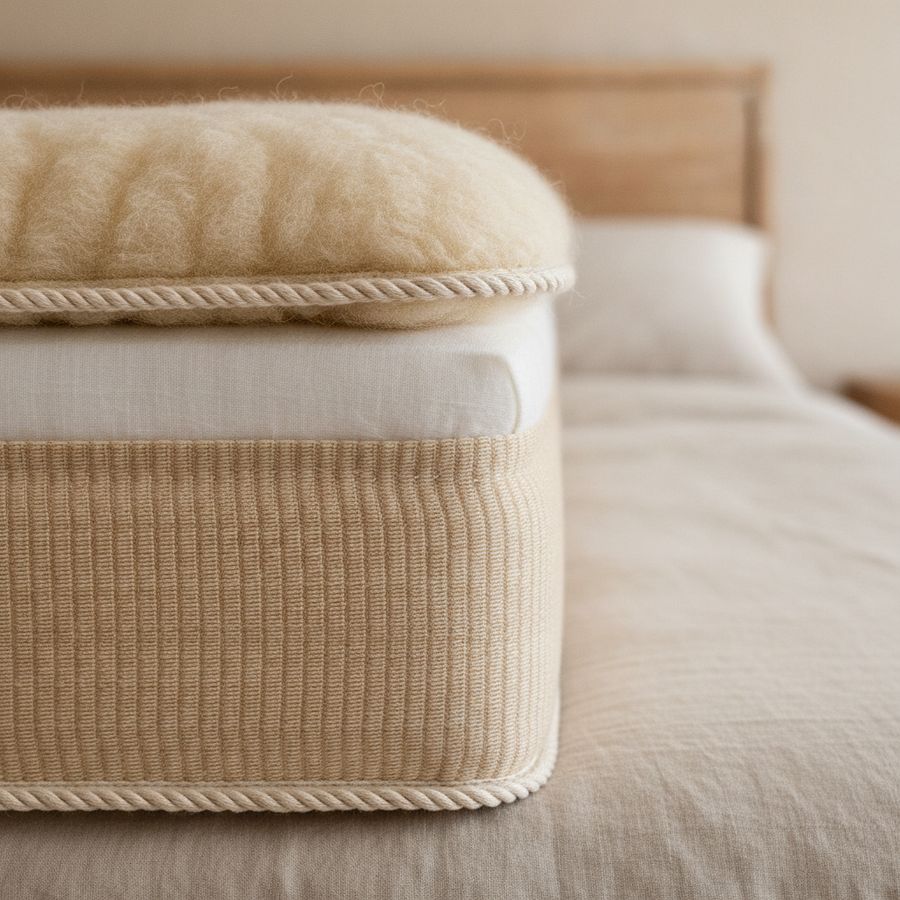
Breathable Mattress Materials for Hot Sleepers
If you regularly wake up too warm, the best place to start is with materials that encourage airflow rather than restrict it. A truly breathable mattress combines cooling comfort layers with a supportive internal structure, often using pocket springs or other systems that leave room for air to circulate. This is one reason natural fillings are often favoured over dense synthetic foams for hot sleepers.
Among the most effective materials are wool, cotton, natural latex, and breathable upholstery layers paired with well-ventilated support cores. Wool helps move moisture away from the body, while cotton adds a drier, lighter touch. When combined with pocket springs, these layers create a mattress that feels more open and less prone to heat retention.
Hot sleepers often benefit most from mattresses featuring:
- Natural comfort layers instead of heavy synthetic padding
- Pocket spring construction for internal airflow
- Moisture-managing fibres such as wool and cotton
- Handcrafted finishes that keep fillings stable and evenly distributed
The result is not an icy surface, but a more balanced sleep climate that supports cooler sleep throughout the night.
How Natural Fibres Improve Sleep Comfort
Sleep comfort is not only about softness. It also depends on how stable, dry, and responsive the mattress feels after several hours in bed. Natural fibres improve comfort by reducing the sticky, overheated sensation that can build up on less breathable surfaces. When the sleep environment feels fresher, the body is more likely to remain settled and relaxed.
Natural mattress fillings also contribute to a more refined feel. Wool has a springy resilience that helps cushioning remain buoyant rather than flat. Cotton can create a cleaner, lighter sleeping surface, while cashmere introduces a softer finish with a luxurious touch. These qualities matter because comfort is often found in balance, not extremes.
There is also a practical side to this. Fibres that manage moisture well can help the mattress feel less humid and more pleasant night after night. That can be especially valuable for couples, warm sleepers, and anyone living in a home where bedroom temperatures shift with the seasons.
Comfort lasts longer when the mattress stays breathable, balanced, and dry beneath you
That is why natural fillings remain a trusted choice in premium handcrafted mattresses.
Natural Fillings Versus Synthetic Mattress Layers
Synthetic mattress layers can deliver softness and pressure relief, but they often behave differently from natural fibres when it comes to heat and moisture. Some foams, especially denser varieties, are known to hold warmth close to the body. For sleepers who already run hot, that can lead to a heavy, insulated feel that disrupts rest rather than enhancing it.
By comparison, natural mattress fillings tend to offer a more breathable and adaptive sleep surface. Wool, cotton, and cashmere do not rely on a closed-cell structure, so air can move more freely through the layers. This helps reduce heat retention while supporting a fresher overall feel.
That does not mean synthetic materials are always unsuitable. In some mattresses, they can work well when balanced with springs, airflow features, and natural upholstery. However, if your priority is cooler sleep, natural fibres often provide clearer advantages:
- Better airflow
- Improved moisture control
- Less heat build-up
- A more traditional, breathable comfort feel
For many people, the difference is most noticeable not at bedtime, but at 3 a.m. when temperature management matters most.
Choosing the Best Cooling Mattress Materials
The best cooling mattress materials depend on how you sleep, how warm your bedroom gets, and the kind of feel you prefer. If breathability is the top priority, look for natural fibres layered over a well-ventilated support system. A wool mattress can be an excellent choice for all-season balance, while a cotton mattress may appeal more to those who like a lighter, fresher surface feel.
Construction matters as much as the fillings themselves. Pocket springs, hand-tufting, and carefully distributed upholstery can all help maintain airflow and keep comfort consistent over time. Premium models that combine wool, cotton, and cashmere often deliver a more complete sleep experience, blending support, softness, and temperature regulation.
When comparing options, focus on these essentials:
- Breathable natural fillings
- A supportive spring core with room for airflow
- A comfort level that suits your sleep position
- Quality craftsmanship for durability and stability
A cooling mattress should not just feel pleasant for a few minutes. It should support deeper, fresher rest across the whole night and through every season.
Conclusion
Choosing the right mattress materials can make a meaningful difference to sleep quality, especially if warmth, humidity, or stuffiness regularly interrupt your rest. Natural mattress fillings stand out because they combine breathability, moisture control, and long-lasting comfort in a way that feels both practical and luxurious. For many sleepers, that is the foundation of more restorative nights.
Whether you are drawn to the resilience of a wool mattress, the fresh feel of a cotton mattress, or the softer touch of cashmere, natural fibres offer clear benefits for anyone seeking a breathable mattress. They support cooler sleep not by relying on gimmicks, but by working with the body’s natural temperature changes through the night.
The best mattress materials do not simply cushion you — they help create a cleaner, calmer and more comfortable sleep environment
For a brand rooted in handcrafted Yorkshire quality and premium materials, natural fillings are more than a feature. They are a thoughtful choice for people who want their mattress to feel fresher, sleep cooler, and stay comfortable for years to come.