


Hypoallergenic Mattress: What It Really Means
Overview
Choosing the right mattress is essential not only for comfort but also for health, especially if you suffer from allergies. A hypoallergenic mattress can play a critical role in creating a safer and cleaner sleep environment. Many people don’t realise that their mattress can harbour allergens that affect sleep quality and respiratory health.
A hypoallergenic mattress is designed to minimise exposure to common allergens such as dust mites, mould spores, pet dander, and bacteria. These irritants often accumulate in mattresses over time, aggravating allergy symptoms and asthma. For allergy sufferers, investing in a mattress for allergies can significantly improve nightly rest and overall well-being.
With the increasing awareness of allergy triggers, mattress manufacturers now incorporate special materials and treatments that resist dust mites and microbes. This blog explores what makes a mattress hypoallergenic, the impact of dust mites, best materials for allergy-friendly sleep, and practical tips to maintain a healthy bedroom environment. Understanding these factors will help you make an informed decision for a restful, allergen-free night.
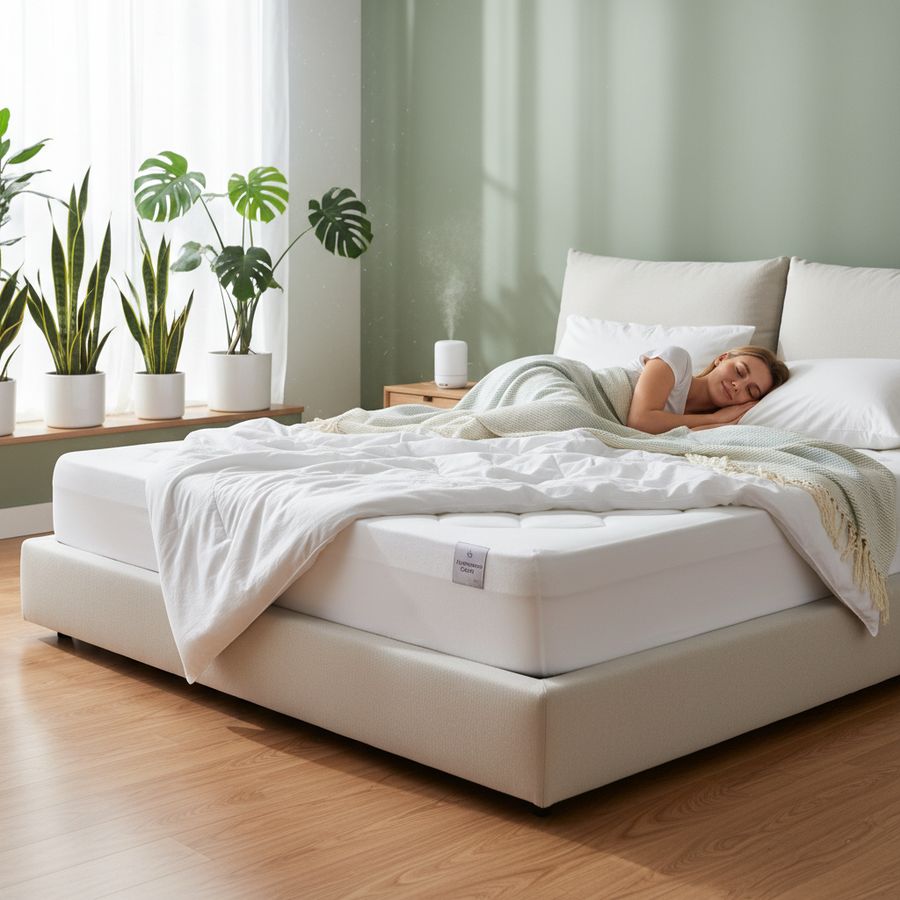
What “Hypoallergenic” Means for Mattresses
The term “hypoallergenic” refers to products that are less likely to cause allergic reactions. When applied to mattresses, this means the mattress is constructed with materials that reduce the accumulation of allergens and inhibit the growth of dust mites and microbes.
Hypoallergenic mattresses typically feature:
- Breathable, moisture-resistant fabrics that prevent mould and mildew.
- Natural or synthetic materials that discourage dust mite habitation.
- Treated covers with antimicrobial properties to combat bacteria and fungi.
It's important to note that hypoallergenic does not guarantee complete allergen elimination but significantly reduces the risk of exposure. For allergy sufferers, this can mean fewer sneezes, less congestion, and improved sleep quality. When shopping, look for mattresses with certifications or labels confirming hypoallergenic properties, and consider mattress protectors to enhance protection.
Reducing allergens in the bedroom is a key step towards better respiratory health and deeper, more restorative sleep.
Dust Mites in Mattresses and Prevention Tips
Dust mites are microscopic creatures that thrive in warm, humid environments—making mattresses their perfect habitat. They feed on dead skin cells shed by humans and can trigger allergic reactions like sneezing, coughing, and asthma attacks.
Their presence in mattresses is a primary concern for allergy sufferers because the mattress is in constant contact with the body and skin. Dust mites produce waste that acts as a potent allergen, irritating sensitive respiratory systems.
To reduce dust mite populations in your mattress, consider the following prevention tips:
- Use a high-quality mattress protector that is dust mite-proof and breathable.
- Wash bedding weekly in hot water (at least 60°C) to kill mites.
- Keep bedroom humidity below 50% using dehumidifiers or air conditioning.
- Vacuum and clean the mattress surface regularly with a HEPA-filter vacuum cleaner.
- Choose hypoallergenic mattress materials that inhibit mite growth.
Consistent maintenance combined with selecting the right mattress can greatly reduce dust mite exposure and improve allergy symptoms.
Best Materials for Allergy-Friendly Sleep
When selecting a mattress for allergies, the choice of materials is crucial. Some materials naturally resist allergens better than others and promote a healthier sleep environment.
Natural latex is widely regarded as one of the best options for allergy-friendly mattresses. It is naturally resistant to dust mites, mould, and mildew due to its dense, breathable structure. Additionally, latex is durable and provides excellent support and comfort.
Other beneficial materials include:
- Organic cotton: Used in mattress covers and padding, it is breathable and less likely to harbour dust mites.
- Wool: Naturally hypoallergenic and moisture-wicking, it helps regulate temperature and reduce allergens.
- Memory foam: Some memory foams have antimicrobial treatments, but synthetic foams can sometimes retain heat and moisture, so quality and treatment matter.
Mattresses combining these materials with proper construction techniques offer allergy sufferers a safer and more comfortable sleep experience. Carter & Lewis mattresses, for example, incorporate natural latex and organic fibres to create luxury, allergy-friendly sleep solutions.
Mattress Covers and Protectors That Reduce Allergens
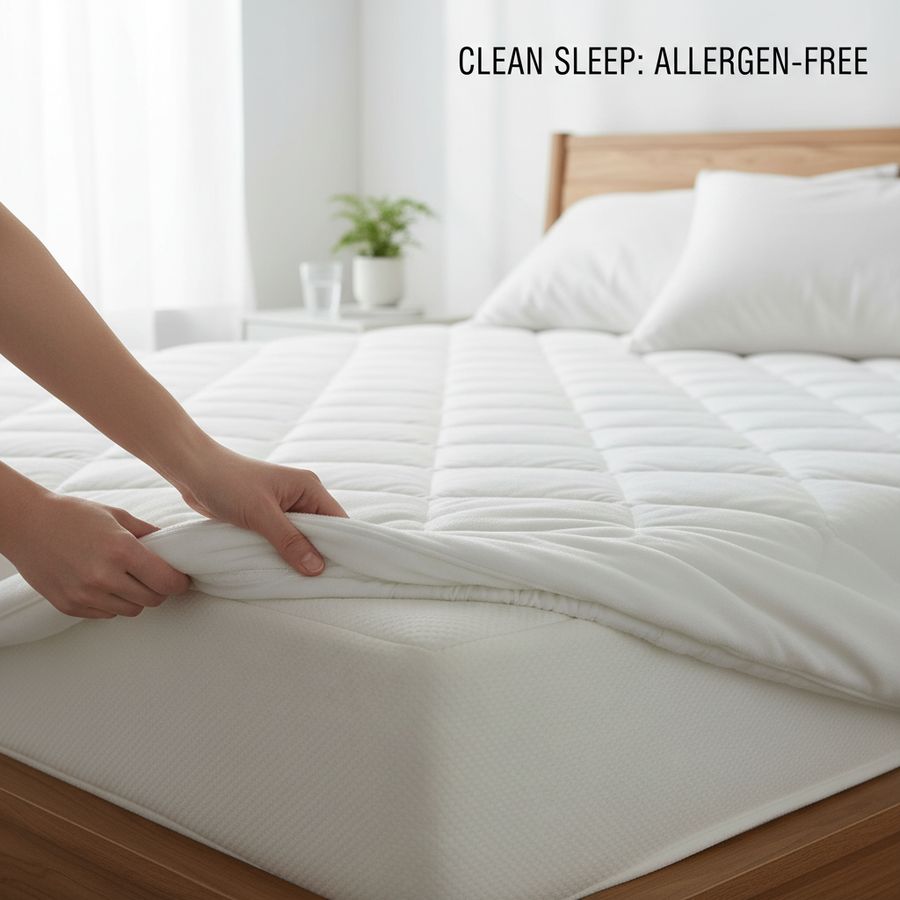
A mattress protector is an essential accessory for anyone seeking to reduce allergens in the bedroom. These covers act as a barrier against dust mites, bacteria, and other irritants that penetrate the mattress surface.
Effective mattress protectors are made with tightly woven fabrics that are both breathable and impermeable to allergens. Many come with additional features such as waterproofing and antimicrobial treatments, which further enhance their ability to create a clean sleeping space.
Key benefits of using mattress protectors include:
- Prevention of dust mite infestation inside the mattress.
- Protection against spills, stains, and moisture that promote mould growth.
- Easy removal for regular washing to maintain hygiene.
Choosing a protector that complements a hypoallergenic mattress maximises allergy defence. For optimum results, make sure to select a protector that fits snugly and is easy to clean.
“A mattress protector is your first line of defence against allergens and plays a vital role in maintaining a healthier bedroom environment.”
Cleaning Routines for a Healthier Bedroom
Maintaining a clean bedroom is essential to support the benefits of a hypoallergenic mattress and mattress protector. Regular cleaning routines help reduce allergens like dust mites and pet dander that accumulate over time.
Here are practical cleaning tips to keep your mattress and bedroom allergen-free:
- Vacuum the mattress surface weekly using a vacuum with a HEPA filter to capture microscopic allergens.
- Wash bed linens, pillowcases, and mattress protectors weekly in hot water to kill dust mites.
- Air out your mattress regularly by removing bedding to allow moisture to evaporate.
- Keep pets out of the bedroom to avoid additional allergens.
- Maintain low humidity with good ventilation or dehumidifiers to discourage mould and mites.
By committing to these simple habits, you create a bedroom environment that supports better breathing and more restful sleep, especially for those with allergies.
Conclusion
Understanding what a hypoallergenic mattress truly means can transform your approach to sleep, especially if you suffer from allergies or asthma. These mattresses, combined with proper mattress covers and cleaning routines, form a comprehensive strategy to reduce exposure to dust mites and other common allergens.
Investing in allergy-friendly materials like natural latex and organic fibres, along with a quality mattress protector, creates a healthier sleep environment that promotes better respiratory health and overall comfort. Regular maintenance further enhances these benefits, ensuring your mattress remains a safe haven for restful nights.
At Carter & Lewis, we blend traditional craftsmanship with modern hypoallergenic technology, offering luxury mattresses that provide exceptional comfort and allergen resistance at affordable prices. Your journey to allergy-friendly sleep begins with informed choices and quality products designed to protect your wellbeing.