


The Best Mattress for Side Sleepers Explained
Overview
Finding the best mattress for side sleepers starts with understanding how the body meets the bed. When you sleep on your side, most of your weight is concentrated through the shoulders and hips, while the waist and lower back still need steady support. That means a good side sleeper mattress has to do two jobs at once: cushion pressure points and keep the spine in a healthier, more neutral line.
Many people assume softer always means better, but side sleep comfort is more balanced than that. If a mattress is too soft, the hips can dip too far. If it is too firm, the shoulders may feel compressed and sore by morning. The ideal feel usually combines contouring comfort with dependable underlying support, especially for people who wake with stiffness, tingling arms, or tenderness around the hips.
For side sleepers, comfort is not just about softness — it is about pressure relief with proper alignment.
Brands such as Carter & Lewis highlight features that matter here, including pocket spring mattress support, pressure-relieving comfort layers, and options with wool, cotton, memory foam, or advanced support zones. For most shoppers, the right choice comes down to how well the mattress responds to the curves of the body while still feeling stable and durable night after night.
Why Side Sleepers Need Pressure Relief
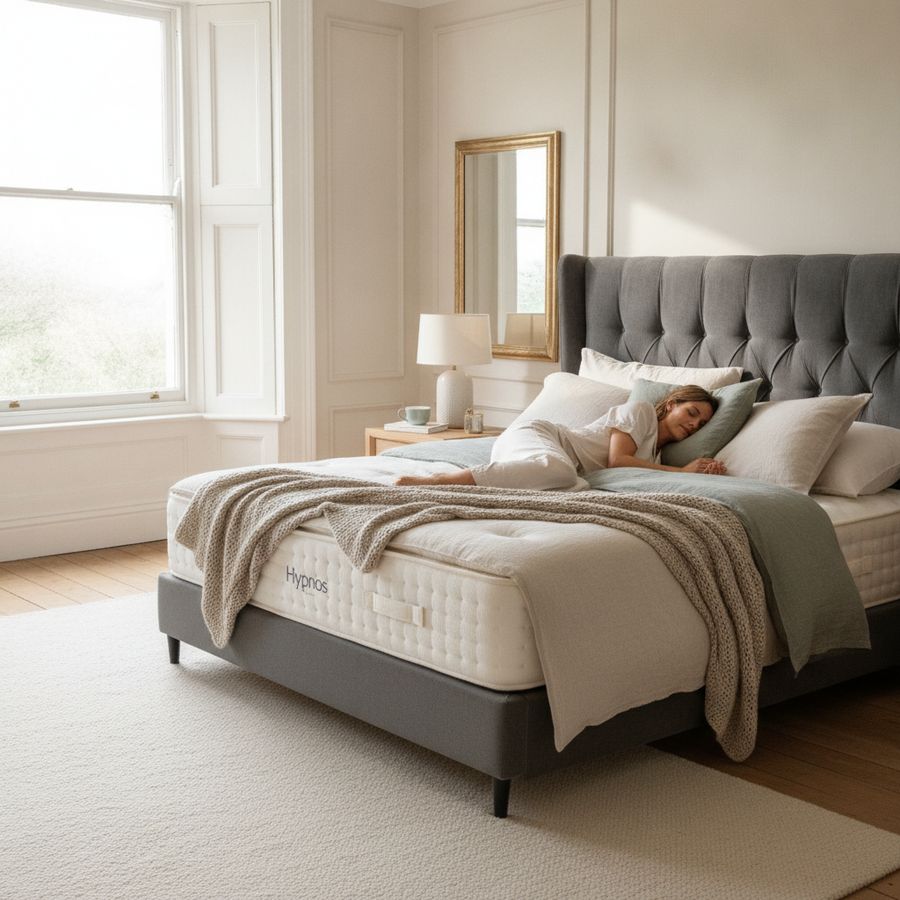
Pressure relief is one of the biggest priorities for side sleepers because this position naturally creates sharper contact at the shoulder and hip. Unlike back sleepers, who spread weight more evenly, side sleepers press deeply into fewer points. Without enough cushioning, those areas can become sore, numb, or uncomfortable, especially after several hours in the same position.
A mattress with good contouring helps distribute body weight more evenly. This reduces stress on joints and allows the upper shoulder to sink just enough without forcing the neck out of line. At the same time, the hip should be cushioned rather than jammed upward by an overly hard surface. When these areas are properly supported, the spine can rest in a straighter position and muscles do not have to work as hard through the night.
This is why many side sleepers are drawn to comfort layers such as memory foam, latex blends, or softer natural fillings paired with a supportive core. Carter & Lewis also emphasises five-zone support and pressure-relieving materials, which are especially relevant for this sleep style.
- Less shoulder and hip soreness
- Better spinal alignment
- Reduced tossing and turning
- Improved overnight comfort
If you regularly wake feeling achey, the issue may not be your sleep position at all. It may simply be that your current mattress is not delivering the pressure relief that side sleepers need most.
Best Firmness for Shoulders and Hips
The best mattress firmness for side sleepers usually sits in the medium to medium-firm range, though body weight and personal preference still matter. This level often gives enough softness for the shoulders and hips to settle in, while keeping the midsection from sinking too deeply. In practical terms, it feels cushioned on top but supportive underneath.
Lighter sleepers often prefer a slightly softer surface because they do not compress the mattress as much. Heavier side sleepers, by contrast, may need a medium-firm feel to stop the hips dropping out of alignment. The key is not chasing the softest bed available, but finding a mattress that adapts to your shape without collapsing under your heaviest pressure points.
The right firmness should let the shoulder sink, cradle the hip, and still hold the waist and lower back in line.
This is where layered construction matters. A mattress can feel welcoming at the surface and still offer strong deep support through pocket springs, ortho systems, or high-density comfort materials. Some Carter & Lewis designs combine memory foam, gravity cell comfort, or natural fillings with supportive spring units, which can suit side sleepers looking for balanced comfort.
If you sleep on your side all night, avoid judging mattress firmness by hand feel alone. A mattress that seems firm when pressed may actually perform beautifully once your body weight is evenly distributed across it.
Pocket Springs Versus Foam for Side Sleep
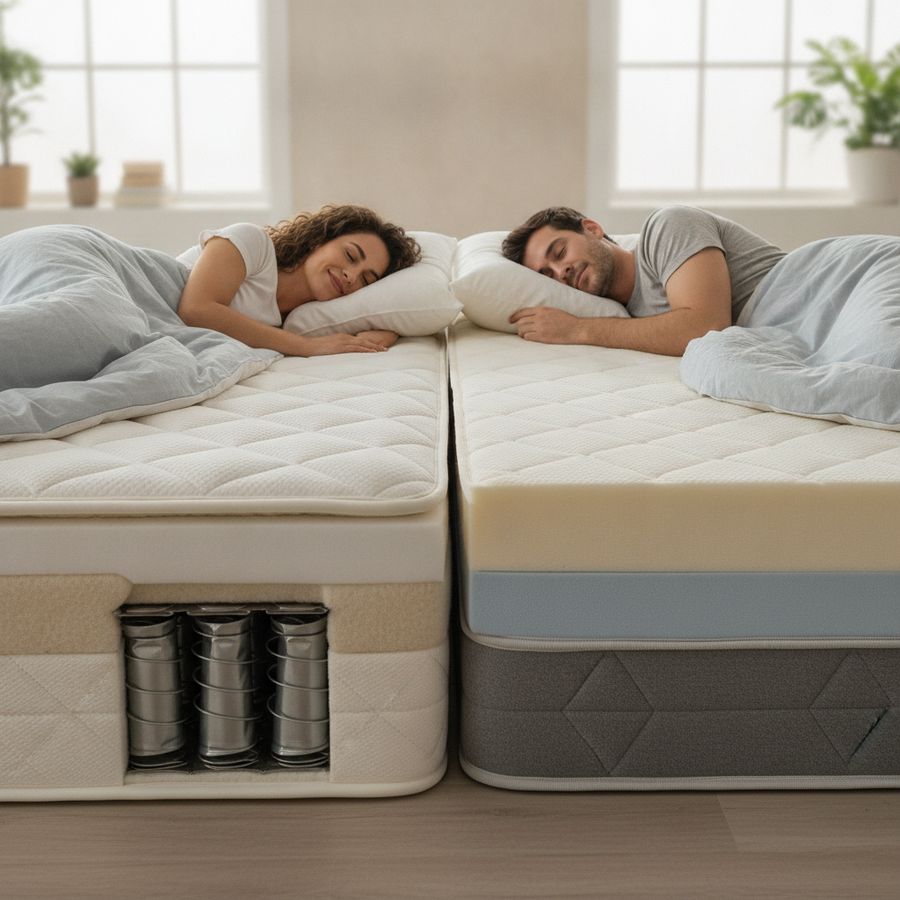
When comparing a pocket spring mattress with an all-foam design, side sleepers should focus on feel, support, and responsiveness rather than broad claims about which type is universally best. Both can work well, but they deliver comfort in different ways.
Pocket springs move independently, so they can respond more precisely to the body’s curves. This often creates a balanced feel with targeted support under the waist and gentler give beneath the shoulders and hips. Many side sleepers also like the slightly more breathable, buoyant sensation of springs, especially when paired with wool, cotton, or memory foam comfort layers. Carter & Lewis offers several models built around this idea, including mattresses with 1000 or 1500 pocket springs and pressure-relieving tops.
Foam mattresses, on the other hand, tend to deliver closer contouring. Memory foam can be excellent for pressure relief, especially if shoulder pain is your main complaint. However, some sleepers find dense foam warmer or a little slower to respond when changing position.
- Pocket springs: responsive, breathable, supportive, easier movement
- Foam: deeper contouring, strong pressure relief, quieter feel
For many people, the sweet spot is actually a hybrid style: springs underneath for structure and airflow, with foam or comfort fillings above for cushioning. That combination often makes the best mattress for side sleepers feel both supportive and forgiving.
How Mattress Depth Changes Comfort
Mattress depth can make a noticeable difference to how a side sleeper mattress feels. A deeper mattress often has more room for layered construction, which may include supportive springs, pressure-relieving comfort layers, breathable natural fillings, and stabilising edge support. For side sleepers, that extra build depth can translate into a more balanced feel across the shoulders, waist, and hips.
Shallower mattresses are not automatically poor choices, but they may have less material available to cushion high-pressure areas. If you are a side sleeper with a curvier body shape, broader shoulders, or persistent joint discomfort, a deeper mattress can sometimes provide a more graduated level of comfort. Instead of hitting the firmer support core too quickly, the body settles through the comfort layers more gently.
Depth also influences durability and overall sleep experience. A well-made deeper mattress may hold its comfort profile longer because its internal layers are designed to share the workload. Carter & Lewis, for example, highlights handcrafted builds, natural fillings, and modern support systems that can benefit sleepers who want a more substantial feel.
Depth alone does not guarantee comfort, but the right depth can give pressure-relieving materials more space to do their job.
When judging comfort, think of depth as part of the whole design. It matters most when combined with the right mattress firmness, support core, and top-layer cushioning for side sleeping.
Common Side Sleeper Buying Mistakes
One of the most common mistakes side sleepers make is choosing a mattress purely because it is labelled firm or orthopaedic. Extra firmness can sound supportive, but for many side sleepers it creates too much pushback under the shoulders and hips. That often leads to discomfort, restless sleep, and poor alignment rather than better support.
Another frequent error is focusing only on the top comfort layer and ignoring the support core. A plush surface may feel lovely for five minutes in a showroom, yet still allow the hips to sink too far overnight. The best mattress for side sleepers needs both cushioning and structure. It should relieve pressure while keeping the spine better supported from head to pelvis.
- Buying the firmest model by default
- Ignoring shoulder and hip pressure points
- Not considering body weight and build
- Overlooking mattress depth and construction
- Assuming all foam or all springs feel the same
Some shoppers also fail to consider materials that affect long-term comfort, such as breathable wool, contouring memory foam, or independently moving springs. With brands like Carter & Lewis offering pocket sprung, memory foam, and natural filling options, it is worth matching the mattress to your sleep style rather than to marketing shortcuts.
The smartest approach is to judge how the mattress performs in your real sleeping position. If it does not deliver pressure relief where you need it most, it is probably the wrong fit.
Conclusion
Choosing the right side sleeper mattress is really about balance. You need enough cushioning for the shoulders and hips, enough support for the waist and lower back, and enough overall stability to keep the spine from drifting out of alignment. That is why the best mattress for side sleepers is rarely the softest or the firmest option in the range.
For most people, a medium to medium-firm feel works best, especially when paired with thoughtful construction. Features such as pressure relief layers, responsive springs, natural breathable fillings, and well-planned support zones can all improve comfort. If you are comparing options, a quality pocket spring mattress or hybrid build is often a strong place to start because it blends contouring comfort with reliable structure.
Carter & Lewis reflects many of these priorities through handcrafted mattresses made in Yorkshire, with options that combine pocket springs, memory foam, and natural materials for tailored comfort. That matters because side sleeping is not a niche preference — it is one of the most common sleep positions, and it deserves a mattress designed to support it properly.
A mattress should adapt to your body, not force your body to adapt to the mattress.
If your current bed leaves you waking with sore shoulders, tender hips, or a stiff back, upgrading to a mattress built for side sleeping could make a meaningful difference night after night.