


Why a Handmade British Mattress Costs More
Overview
A premium mattress often costs more because it is built in a very different way from a mass-produced bed. When you look at a handmade British mattress, you are not simply paying for a label or a showroom finish. You are paying for skilled labour, carefully selected materials, and a construction process designed to deliver comfort and support for years rather than months.
British mattress making has a long tradition of combining heritage techniques with practical sleep performance. Brands that build by hand typically use methods such as hand-tufting, layered upholstery, and stronger spring systems to create a mattress that feels stable, breathable, and durable. That extra time and detail inevitably adds to the price.
Not all expensive mattresses are well made, but truly handmade mattresses usually cost more because more work, better materials, and longer-lasting construction go into every layer.
For shoppers comparing prices, the key question is not just what a mattress costs today, but what value it delivers over its full lifespan. That is where a high-quality handmade option often stands apart.
What Defines a Handmade British Mattress
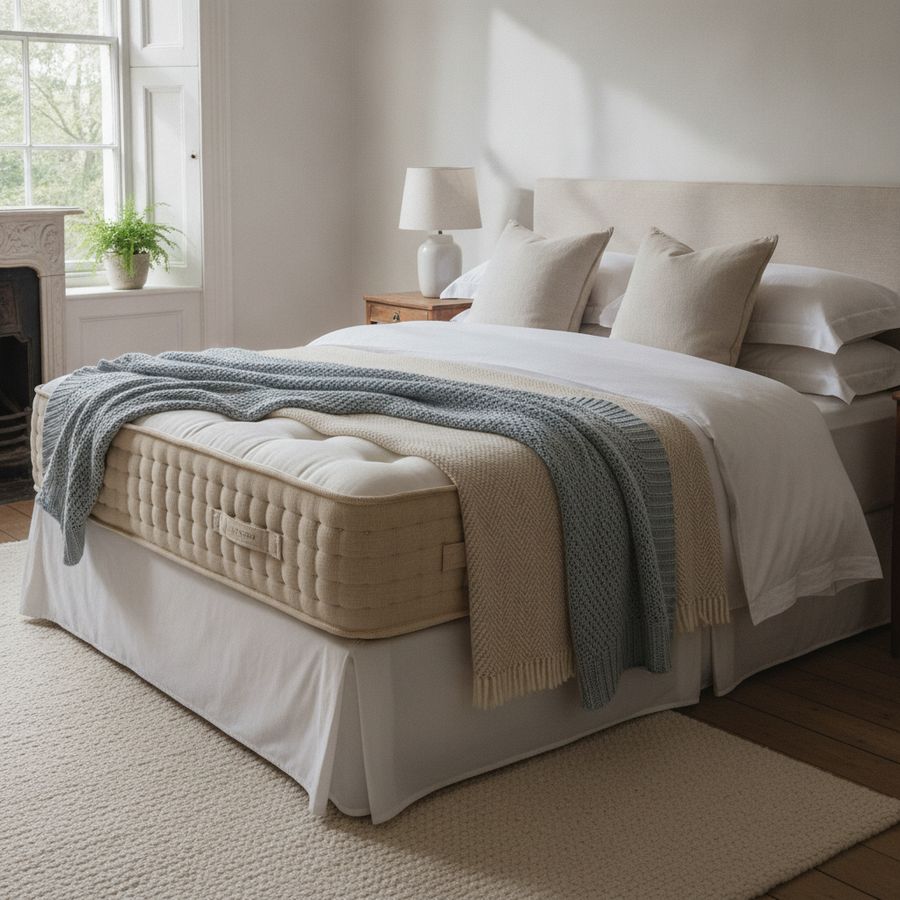
A handmade British mattress is defined by how it is built, who builds it, and what goes inside it. Unlike factory-led models designed mainly for speed and compression shipping, handmade mattresses are typically assembled by skilled craftspeople who layer fillings, tension the surface, and finish the mattress with techniques that require training and care.
Materials are a major part of the difference. Many British-made models use pocket springs, wool, cotton, cashmere touches, and other natural fillings chosen for breathability and resilience. These components tend to cost more than low-density foams and basic synthetic pads, but they also contribute to a more balanced and refined sleep surface.
Construction details matter too. A handmade mattress may include:
- Hand-tufting to secure internal layers
- Dual-sided designs for turning and even wear
- Side stitching for stronger edge support
- Tailored firmness options for different sleepers
In short, handmade British craftsmanship is not a marketing extra. It is a building method focused on support, comfort, and mattress durability, which is why the price is usually higher from the outset.
Why Hand-tufting Adds Long-term Mattress Support
A hand-tufted mattress is more labour-intensive because the fillings are secured from top to bottom using tapes or tufts that are tightened by hand. This process compresses and anchors the comfort layers, helping to keep them evenly distributed across the surface. It is a traditional technique, but it remains highly relevant for modern sleep quality.
Without strong internal anchoring, softer layers can shift, bunch, or settle unevenly over time. That often leads to dipping, reduced support, and a less consistent feel. Hand-tufting helps minimise those issues by locking the mattress structure together so the comfort layers work with the spring system instead of drifting away from it.
Hand-tufting is one of the clearest signs that a mattress has been built to hold its shape, not just to feel comfortable on day one.
This is one reason a premium handmade design can feel firmer, steadier, and more supportive year after year. While it adds cost in time and workmanship, it also adds long-term mattress support and durability, making it a practical investment rather than a cosmetic upgrade.
Natural Fillings vs Synthetic Comfort Layers
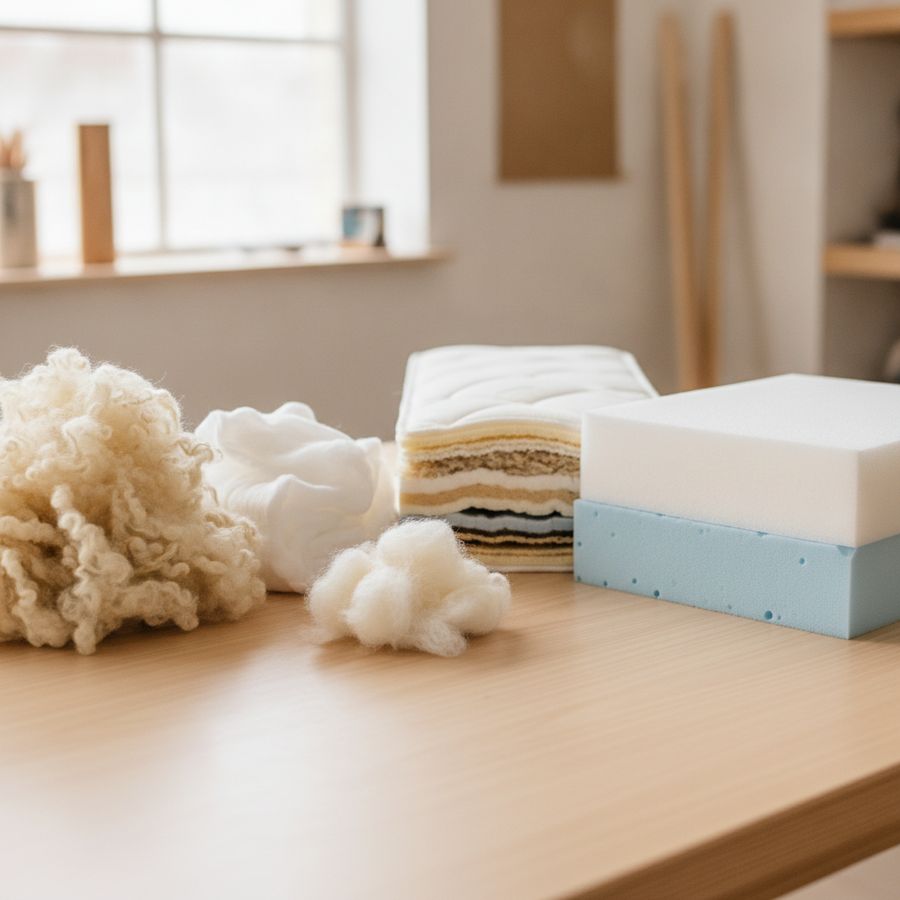
The choice between natural fillings and synthetic comfort layers has a direct impact on both cost and sleep experience. Natural materials such as wool, cotton, and cashmere are typically more expensive to source and upholster, but they offer qualities many sleepers value: breathability, moisture control, and a more temperature-balanced feel throughout the night.
Synthetic layers, particularly lower-cost foams, can be cheaper and initially plush. However, they may trap more heat and can lose their shape faster depending on density and quality. That does not mean every synthetic material is poor, but in budget mattresses the lower price often comes from using simpler comfort layers that are quicker to produce and cheaper to replace.
Natural upholstery is often preferred in a premium mattress because it can provide:
- Better airflow for cooler sleep
- A more responsive, less sink-in comfort feel
- Improved resilience under regular use
- A traditional, breathable sleep surface
For many buyers, the higher price reflects not only material cost but the everyday comfort benefits that come from sleeping on a mattress built with more breathable and hard-wearing layers.
Craftsmanship, Durability, and Mattress Lifespan
One of the biggest reasons a handmade mattress costs more is that craftsmanship directly affects mattress durability. A carefully built mattress is not just assembled; it is finished with attention to tension, layering, edge integrity, and overall balance. These details influence how well the mattress performs under nightly use and how long it maintains its original comfort.
In many premium British mattresses, skilled makers combine heritage techniques with modern support systems such as pocket springs, zoned support, and reinforced edges. When these features are paired with quality upholstery and hand-finished construction, the result is a mattress that is better equipped to resist sagging, uneven wear, and breakdown of comfort layers.
Lifespan also depends on design choices. Dual-sided models that can be turned regularly often wear more evenly, while stable edge support helps preserve the usable sleeping area. Those practical benefits are part of what customers are paying for.
Durability is not an accident. It is usually the result of better components, better workmanship, and a mattress made with long-term performance in mind.
That is why the higher upfront cost often translates into fewer compromises over time.
When a Premium Mattress Becomes Better Value
A higher purchase price does not automatically mean better value, but a well-made premium mattress often becomes the smarter financial choice when you look beyond the checkout page. If a cheaper mattress loses support quickly, sleeps hotter, or needs replacing after only a few years, the lower initial spend can work out to be more expensive in the long run.
Value improves when a mattress continues to deliver comfort, spinal support, and consistent sleep quality over time. A handmade British mattress built with stronger springs, durable upholstery, and hand-finished construction is more likely to keep performing as intended. That can mean fewer replacements, less discomfort, and better rest night after night.
A premium model often offers better value when:
- You want long-term support rather than short-term softness
- You sleep hot and benefit from breathable natural materials
- You prefer a mattress with turning options and longer wear life
- You see your bed as a daily health and comfort investment
For many households, paying more once for quality is more economical than replacing lower-cost mattresses repeatedly. Over a full lifespan, durability often matters more than the sticker price alone.
Conclusion
The reason a handmade mattress costs more is simple: more goes into it. From skilled upholstery and hand-tufting to stronger spring systems and carefully chosen natural fillings, every stage of production is geared toward comfort, support, and longevity. These are not hidden extras; they are the foundations of a better-built bed.
For shoppers comparing prices, it helps to think in terms of performance rather than promotion. A mattress that holds its shape, regulates temperature well, and delivers lasting support can justify a higher upfront cost because it performs more consistently over the years. That is especially true when craftsmanship and material quality are central to the design.
Ultimately, a handmade British mattress tends to cost more because it is made with more time, more expertise, and better components. If your priority is lasting comfort and strong mattress durability, the price difference is often a reflection of real construction value rather than simple brand positioning.
When a mattress is built properly, the benefit is not just how it feels on the first night, but how well it supports sleep for years to come.