

Pocket Springs, Open Coil, or Bonnell? Read This First
When comparing spring mattress types , the spring unit underneath the comfort layers is what shapes the overall sleep experience. It influences...
9 Oct 2026 · 5 min read Read →

 Visit our ShowroomHolme Street, Liversedge WF15 6JB · Tel. 0743 8105145Plan your visit →
Sleep guides & journal

When comparing foam vs natural materials for a cooling mattress, it helps to look beyond the top comfort layer. Heat build-up is influenced by the entire mattress construction, including the cover, quilting, support core, edge structure, and how easily air can move through the interior. A mattress with breathable fibres on top can still sleep warm if dense layers underneath restrict airflow.
That is why hot sleepers often get better results by assessing the full mattress build rather than focusing on a single headline material. Pocket springs, for example, usually allow more space for air to circulate than a fully solid foam core. Likewise, hand-tufted and layered designs using wool, cotton, or cashmere can feel fresher because they do not trap warmth in the same way some dense synthetic builds can.
A mattress feels cooler when its layers work together to release heat and manage moisture, not simply because one material is labelled cooling
For effective night sweat relief, consider how these parts interact:
Breathable natural cover fabrics
Moisture-managing comfort fillings
Airflow-friendly spring support systems
A base that does not block ventilation
This broader view makes it easier to choose a mattress that supports more stable temperature regulation throughout the night.
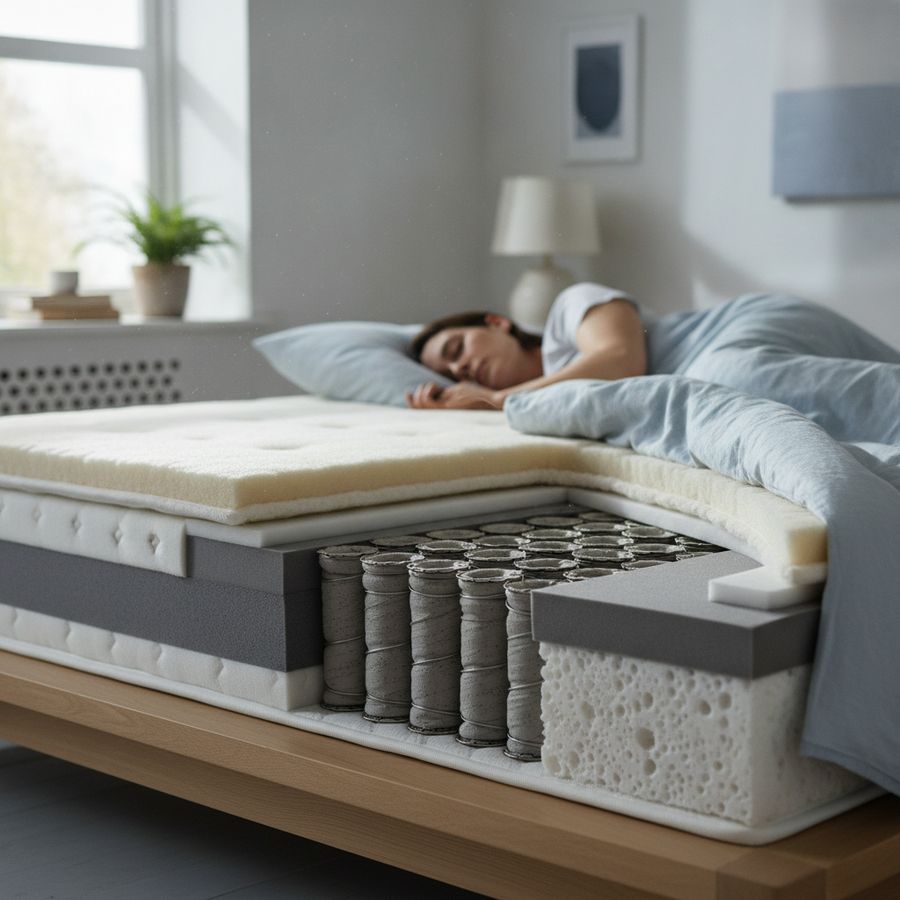
Yes, natural fillings can help many sleepers who struggle with overheating, especially when sweating is linked to trapped warmth and poor moisture management in bed. Fibres such as wool, cotton, and cashmere are often chosen because they feel more breathable and better balanced across changing temperatures. Rather than hugging the body with dense, heat-retentive pressure, they tend to create a drier and fresher sleep surface.
For people seeking night sweat relief, the key advantage is not that natural fibres make a mattress cold. Instead, they can help reduce that sticky, clammy sensation that often wakes sleepers in the early hours. Wool is particularly valued because it can absorb moisture vapour while still feeling comfortable to lie on, and cotton adds softness with a naturally airy feel.
Brands that combine traditional craftsmanship with modern support often use these materials to produce a more breathable cooling mattress feel without relying only on synthetic cooling claims. At Carter & Lewis, models featuring wool, cotton, and other premium natural layers reflect that approach of pairing comfort with ventilation and balanced support.
Natural fillings do not guarantee a cold bed, but they can create a noticeably fresher sleep climate for hot sleepers
If your current mattress leaves you damp and restless, switching to well-built natural layers may offer meaningful improvement.
Foam remains popular because it cushions pressure points and contours closely to the body, but that same close contact can increase warmth for some sleepers. In a foam vs natural comparison, one of the biggest differences is how heat behaves at the sleep surface. Many foam mattresses, especially dense memory foam designs, allow the body to sink in more deeply, reducing airflow around the skin and concentrating warmth where you need cooling most.
This does not mean every foam mattress sleeps hot, but it does mean the risk is often higher if the construction is heavily foam-based from top to bottom. Some manufacturers add gel infusions, cut channels, or breathable covers to improve temperature regulation. These features can help, yet the overall feel may still be warmer than a mattress built with springs and generous natural fibres.
For sleepers dealing with regular overheating, the issue is often less about room temperature and more about how closely the mattress cradles the body. That is why some people wake feeling too warm even in a cool bedroom.
The more a mattress surrounds the body without releasing heat, the more likely it is to interrupt sleep with warmth and perspiration
If you want dependable night sweat relief, it is worth being cautious with thick foam comfort layers unless they are balanced by strong airflow features elsewhere in the build.
A true cooling mattress is designed to do more than feel comfortable for the first few minutes. Compared with a standard bed, it aims to maintain a steadier sleep climate over several hours by improving airflow, reducing heat retention, and managing moisture more effectively. Standard mattresses may feel fine at bedtime, yet become warm and heavy as body heat builds through the night.
The difference usually comes down to materials and construction. Cooling-focused models often use breathable covers, spring systems that encourage ventilation, and comfort layers such as wool, cotton, or specialist open-structure components. Standard beds, by contrast, may use simpler synthetic quilting or dense foam layers that do less for airflow. For hot sleepers, that distinction can be very noticeable by the middle of the night.
At Carter & Lewis, mattresses such as the IceCool, Savoy, Natural Comfort, and Sleep Adaptive reflect a more considered approach: combining supportive spring systems with premium fillings chosen for freshness, balance, and year-round comfort.
Cooling mattresses usually promote better airflow
They often manage moisture more effectively
They can reduce the heavy, stuffy feeling of standard beds
They may support fewer heat-related sleep interruptions
For anyone seeking better night sweat relief, a well-made cooling model can offer a meaningful step up from an ordinary mattress.
Among the most practical benefits of natural fillings is how well they deal with moisture. For sleepers who overheat, the problem is not only warmth but dampness against the skin. That clammy feeling can disturb comfort quickly, even if the room itself is not particularly hot. Wool and cotton are often preferred because they help move moisture away from the body and support a drier sleeping environment.
Wool is especially useful for temperature regulation because it can absorb moisture vapour while remaining comfortable and resilient. Cotton complements this by adding breathability and softness, helping the surface feel lighter and less stuffy. Together, they often create a mattress that feels fresher across different seasons rather than overly insulating or airless.
For night sweat relief, moisture control is just as important as cooling, because a drier bed usually feels more comfortable and less disruptive
This is one reason many handcrafted mattresses use wool and cotton in layered upholstery. They do not simply chase a cool-to-the-touch first impression; they focus on all-night comfort. For hot sleepers comparing foam vs natural options, that can be a major advantage.
If you regularly wake up warm and slightly damp, a mattress featuring wool and cotton may feel more balanced, breathable, and easier to sleep on through the night.
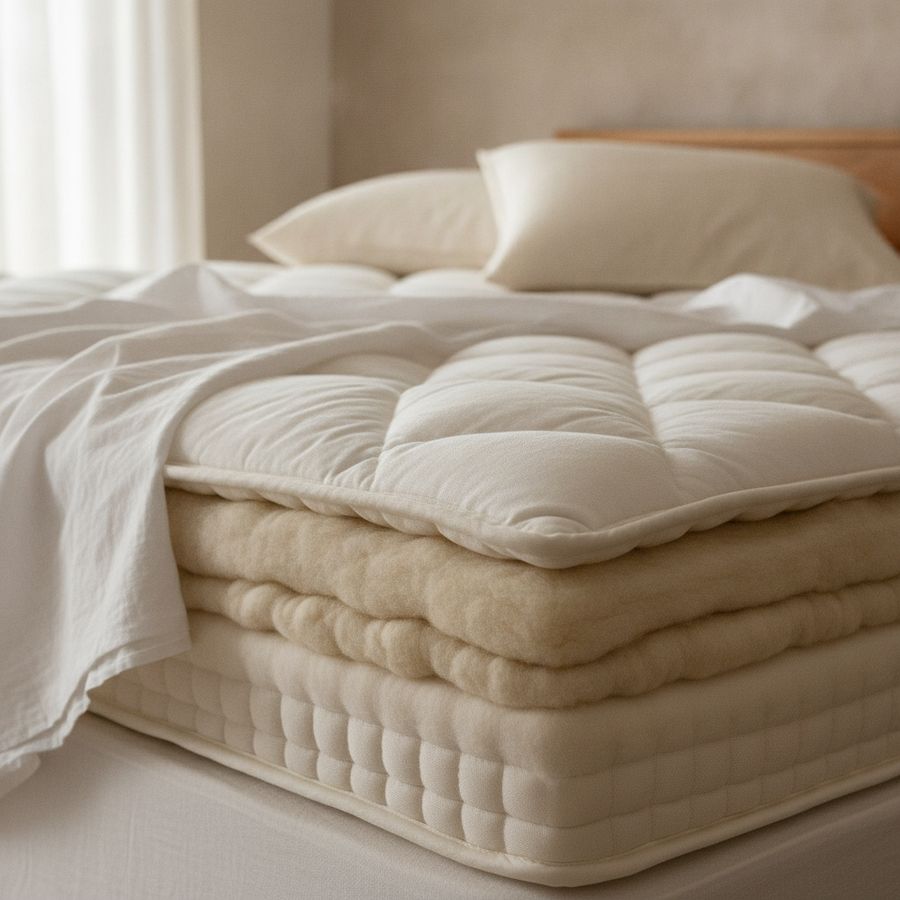
Mattress temperature is not experienced the same way by everyone. Body weight, sleeping position, metabolism, and how deeply you sink into the surface can all affect whether a bed feels cool, neutral, or overly warm. A mattress that seems comfortable to one person may feel stuffy to another, which is why choosing for night sweat relief should always be personal.
Heavier sleepers often compress comfort layers more deeply, particularly on foam beds. That increased sink can reduce airflow around the body and intensify heat build-up. Side sleepers may also notice more warmth at the shoulders and hips because these pressure points stay in closer contact with the mattress for longer periods. By contrast, sleepers who remain more on top of the surface may find the same bed much cooler.
This is where well-balanced constructions matter. A cooling mattress that combines responsive springs with breathable natural fillings can help more body types because it supports the body without excessive enclosure.
Deeper sink usually means more warmth retention
Close body contouring can limit airflow
Supportive spring systems often feel airier
Natural fibres can improve comfort across different sleep styles
Understanding your own build and sleep habits makes it easier to choose the right solution in the foam vs natural debate.
Good sleep is not only about falling asleep quickly; it also depends on staying asleep with minimal disruptions. When a mattress traps heat or allows moisture to accumulate, the body is more likely to stir, shift position, throw off covers, or wake fully. Better temperature regulation supports smoother sleep continuity by helping your body remain in a stable and comfortable state throughout the night.
This is why your mattress choice can impact more than just bedtime comfort. If you often wake feeling overheated, sweaty, or unsettled, the sleep surface may contribute to repeated micro-awakenings, even if you don’t remember them clearly. Over time, these interruptions can leave you feeling less refreshed in the morning.
A well-designed cooling mattress enhances continuity by combining breathable structure, balanced support, and materials suited to moisture control. For many, natural fillings are beneficial as they reduce the sticky, enclosed feel that can build up around the body. Spring-based designs may offer an additional advantage by promoting airflow through the mattress core.
When the bed stays drier, fresher, and more thermally balanced, sleep is more likely to remain deep and uninterrupted. In practical terms, better night sweat relief often translates to fewer wake-ups, less tossing and turning, and more restorative rest.
Discover how you can improve your sleep by checking out Carter & Lewis.
For many hot sleepers, natural fillings such as wool and cotton can feel fresher because they are often more breathable and better at managing moisture. Foam can still work for some people, but dense all-foam builds are more likely to hold heat close to the body.
The full mattress build matters most: cover fabric, comfort layers, support core, and how easily air moves through the bed. A breathable top layer alone will not help much if the deeper construction traps heat.
A well-designed cooling mattress aims to maintain a steadier sleep climate over several hours, not just feel cool at first touch. Models with spring support, breathable covers, and moisture-managing fillings usually perform better over the full night.
Foam often contours more closely and allows deeper sink, which can reduce airflow around the skin and concentrate warmth. Spring systems usually leave more open space inside the mattress, which can support better ventilation.
Yes. Heavier sleepers and people who sink more deeply into comfort layers often experience more heat build-up, while sleepers who stay more on top of the surface may find the same mattress cooler.
When comparing spring mattress types , the spring unit underneath the comfort layers is what shapes the overall sleep experience. It influences...
9 Oct 2026 · 5 min read Read →
A mattress does not wear out all at once. It changes gradually through thousands of nights of pressure, movement, temperature shifts, and...
9 Oct 2026 · 7 min read Read →
Good sleep support is not simply about choosing a mattress that feels soft or firm at first touch. The real difference comes...
9 Oct 2026 · 9 min read Read →
Answer a few quick questions and we'll match you — or come and try every firmness at our Liversedge showroom.

