


How to Spot a Luxury Mattress Worth Buying
Overview
A luxury mattress should feel better than an ordinary bed, but comfort alone does not prove long-term value. When you are buying a mattress at the premium end of the market, the real question is whether the craftsmanship, support system, and materials genuinely justify the higher price. A beautiful cover and a soft showroom feel are not enough.
The best premium models combine traditional build quality with thoughtful sleep engineering. Look for details such as hand-finished construction, stable support from quality springs, breathable comfort layers, and durable edge support. These are the features that help a mattress perform well not just in the first few nights, but over many years of use.
A premium mattress should offer more than a premium label — it should deliver comfort, support, breathability, and durability in equal measure
Knowing what to inspect makes it far easier to spot a mattress that is truly worth the investment.
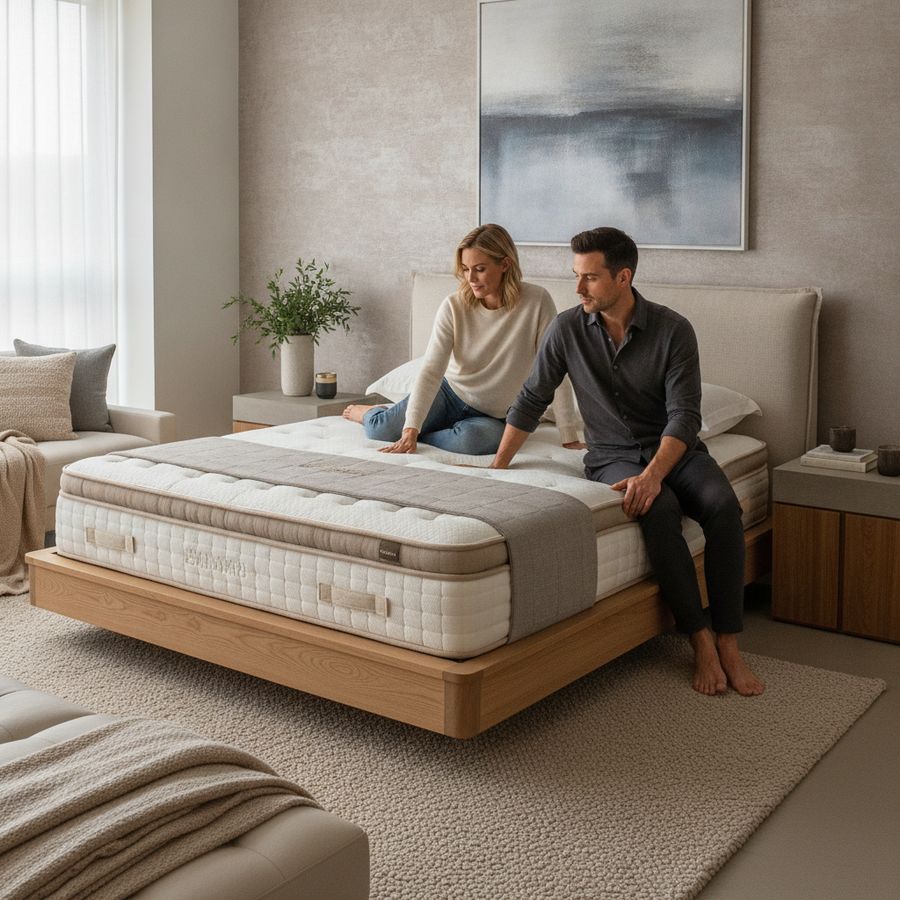
Luxury Mattress Features That Justify the Price
The features that separate a genuine premium mattress from an overpriced one are usually found beneath the surface. High-quality support systems, carefully chosen fillings, and labour-intensive finishing methods all contribute to better sleep and longer lifespan. A lower-cost mattress may feel comfortable at first, but it often lacks the structure to hold that comfort over time.
When comparing options, pay close attention to what the mattress is actually made from and how it has been assembled. Useful signs of quality include:
- Hand-tufted or hand-finished construction for layer stability
- Pocket spring support that responds independently to movement
- Natural fillings such as wool, cotton, or cashmere for breathability
- Reinforced edges for a larger usable sleep surface
- Balanced comfort layers that cushion without excessive sink
A well-made luxury mattress earns its price by combining comfort with dependable performance night after night.
Hand Side-stitching and Hand-tufting Explained
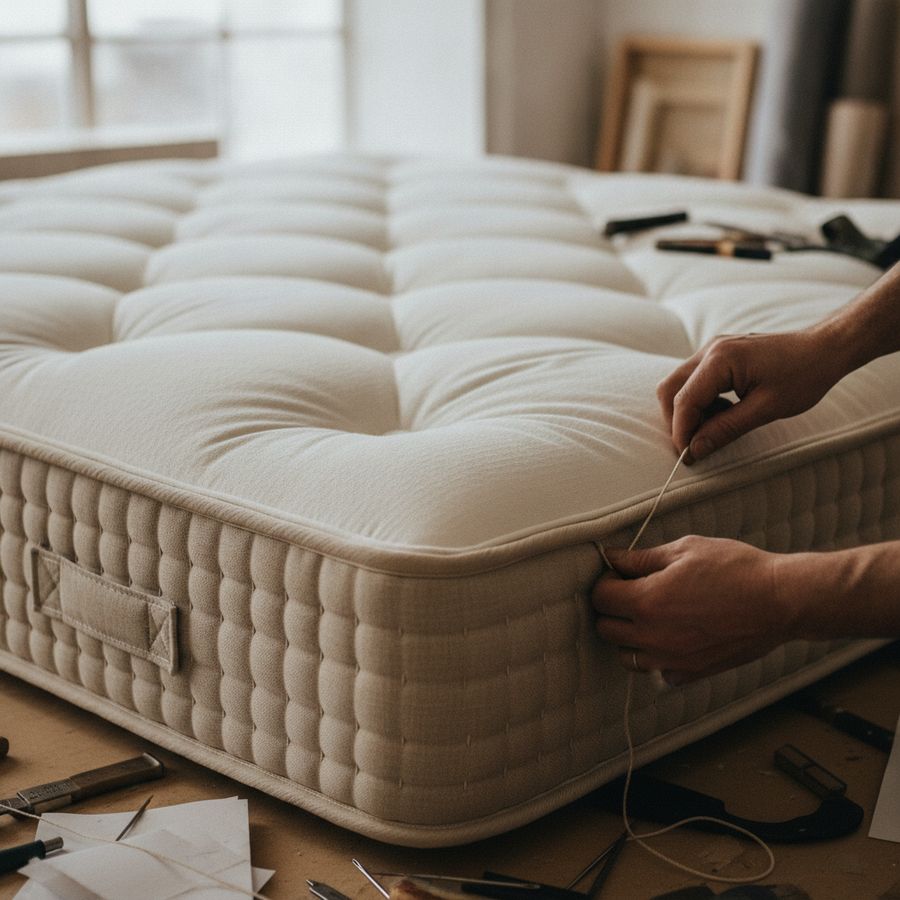
Two of the clearest signs of traditional mattress craftsmanship are hand side-stitching and hand-tufting. These techniques are time-consuming, which is exactly why they matter. They are not decorative extras; they help a mattress keep its shape, structure, and support for longer.
Hand side-stitching secures the mattress border to the spring unit, creating stronger edges and a more stable feel when sitting or sleeping near the sides. Hand-tufting, meanwhile, pulls the comfort layers together through the mattress, holding fillings in place and reducing movement over time. A well-made hand-tufted mattress is less likely to develop uneven loft or shifting layers.
When a mattress is properly tufted and side-stitched, you can often feel the difference in its stability and finish
If you are assessing luxury models in person, these details are worth asking about because they often reveal how seriously a manufacturer takes long-term durability.
Natural Fillings Versus Synthetic Comfort Layers
Comfort materials have a major effect on temperature, feel, and longevity. Natural fillings such as wool, cotton, silk, and cashmere are often used in a luxury mattress because they are breathable, moisture-wicking, and resilient. They can help create a fresher sleep environment, especially for people who sleep warm or dislike the dense feel of all-foam designs.
Synthetic comfort layers, including memory foam and various foams, can still be useful when chosen well. They often provide deeper contouring and pressure relief, but lower-grade synthetic materials may trap heat or lose structure more quickly. The key is balance rather than marketing language.
When comparing natural fillings with synthetic layers, ask yourself what matters most:
- Breathability and airflow
- Pressure relief and body contouring
- Ease of movement
- Long-term loft retention
The best premium mattress uses its comfort layers deliberately, not simply to create a plush first impression in the showroom.
Spring Count, Edge Support, and Finish
Spring count is often used to sell a luxury mattress, but the number alone does not tell the full story. A higher count can indicate more responsive support, especially in pocket spring models, yet spring quality, gauge, zoning, and overall construction matter just as much. A well-designed 1000 or 1500 pocket spring mattress may outperform a poorly built model boasting a bigger number.
Edge support is another detail buyers should not overlook. Strong edges make the mattress feel stable across the full surface, reduce the sensation of roll-off, and improve everyday usability. This is particularly important for couples and anyone who sits on the side of the bed regularly.
The finish also says a great deal about quality. Look for neat tufting, well-shaped borders, durable handles, breathable upholstery, and consistent stitching.
True premium quality shows up in the details you can see and the support you can feel
A refined finish should back up the internal build, not distract from it.
Questions to Ask in a Mattress Showroom
If you are buying a mattress in person, the showroom is the perfect place to look beyond the sales pitch. Instead of focusing only on how soft or firm a bed feels in the first minute, ask practical questions about construction, materials, and expected performance over time. A knowledgeable retailer should be able to explain these points clearly.
Useful questions include:
- What fillings are used, and are they natural or synthetic?
- Is the mattress hand-tufted or hand side-stitched?
- What type of spring system is inside?
- How is the edge reinforced?
- Is the mattress single-sided or double-sided?
- What warranty or guarantee is included?
Also spend enough time lying in your usual sleeping position. A premium mattress should support your spine, relieve pressure points, and feel stable when you move.
The best showroom visit is not about being impressed quickly — it is about learning how the mattress is built to last
Red Flags When Buying Premium Beds
Some mattresses are marketed as luxury simply because they have a high price tag, thick pillow top, or elegant fabric. That is why it helps to know the warning signs. If the brand cannot explain how the mattress is made, what is inside it, or why its materials are superior, caution is sensible.
Common red flags include vague descriptions, overreliance on buzzwords, and an excessive focus on discounts rather than construction. Be wary if the mattress feels impressive at first touch but lacks support underneath, or if the edges collapse noticeably when you sit down.
- No clear information about fillings or spring type
- Unsubstantiated claims about “luxury” or “orthopaedic” performance
- Weak border support and poor finishing
- Very thick foam tops masking basic internal build quality
- Little guidance on care, turning, or lifespan
A true luxury mattress should stand up to close inspection, not depend on showroom theatre alone.
Conclusion
Spotting a luxury mattress worth buying comes down to understanding what creates real value. The strongest signs are quality materials, thoughtful support, skilled finishing, and a build designed for comfort over many years rather than one impressive first lie-down. When those elements come together, a premium mattress becomes a practical investment in sleep, not just a stylish purchase.
As you compare options, keep your attention on craftsmanship details such as a hand-tufted mattress, breathable natural fillings, reliable spring support, and strong edges. These features usually tell you far more than branding alone. A premium bed should feel balanced, supportive, and carefully made from top to bottom.
The right mattress is not the most expensive one in the room — it is the one whose quality is easy to see, easy to feel, and built to endure
With the right questions and a careful eye, buying a mattress becomes a far more confident decision.