

Natural Fillings vs Foam for Night Sweat Relief
When comparing foam vs natural materials for a cooling mattress , it helps to look beyond the top comfort layer. Heat build-up...
13 Oct 2026 · 8 min read Read →

 Visit our ShowroomHolme Street, Liversedge WF15 6JB · Tel. 0743 8105145Plan your visit →
Sleep guides & journal
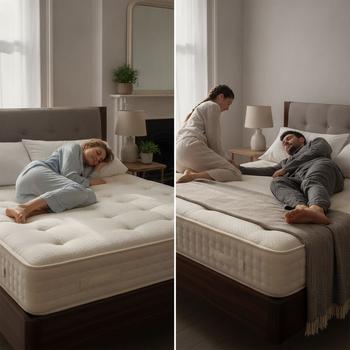
A useful mattress firmness guide starts with one simple idea: the right feel is never only about whether a bed seems soft or firm in the showroom. It should match how your body lies, how much weight presses into the surface, and where you naturally build pressure through the night. When firmness is well matched, the spine stays more neutral and muscles do less overnight compensation.
For some sleepers, a softer surface helps cushion the shoulders and hips. For others, a firmer build prevents the midsection from dipping too deeply. This is why two people can lie on the same mattress and describe it completely differently.
The best firmness is the one that balances comfort at the surface with stable support underneath
Materials also matter. Pocket springs, memory foam, wool, latex blends, and zoned support systems can all change how firmness feels in practice, which is why handcrafted designs with carefully layered construction often deliver a more refined sleep experience than a basic one-note feel.
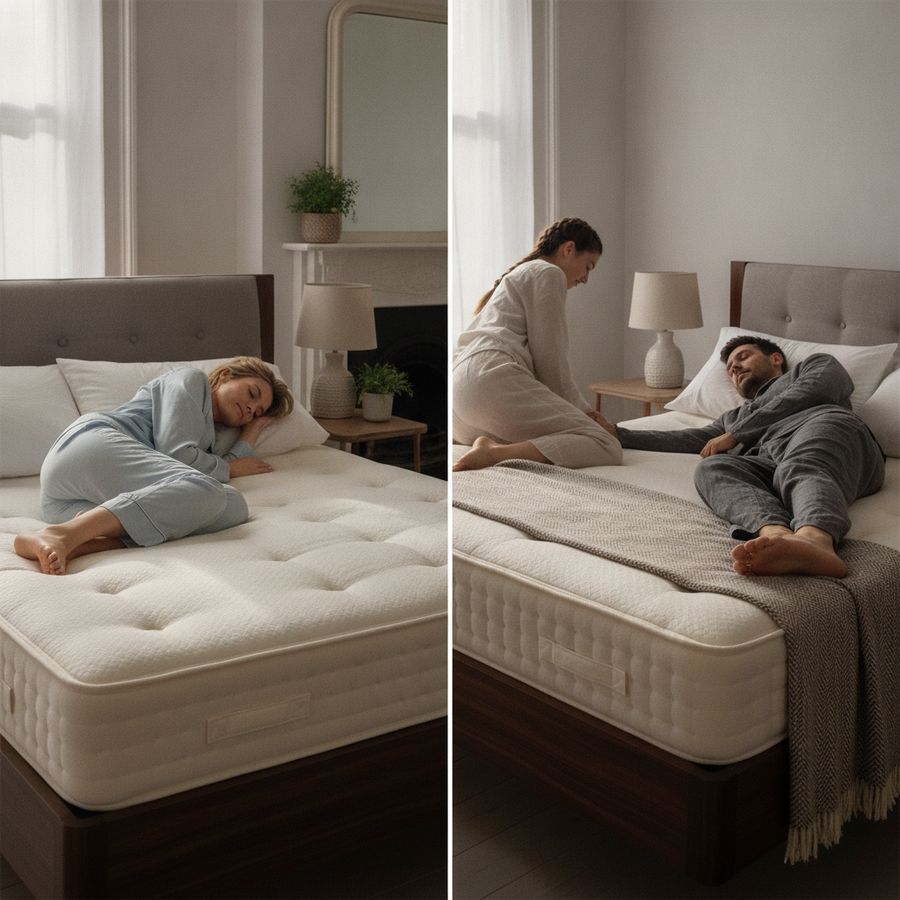
Sleep position changes firmness needs because each posture loads the mattress in a different pattern. A side sleeper presses more heavily through the shoulders and hips, while a back sleeper distributes weight more evenly across the upper back, lumbar area, and pelvis. A front sleeper, meanwhile, often needs enough resistance to stop the hips from sinking too far.
That is why a true side sleeper mattress usually feels different from a mattress chosen for stronger back sleeper firmness. It is less about labels and more about body mechanics. If the mattress is too firm for your position, you may feel numbness or tension at key contact points. If it is too soft, support can become unstable.
Combination sleepers need a middle ground that adapts as they move. In these cases, responsive spring systems and comfort layers that recover quickly are especially helpful.
Understanding your most common posture is often the quickest way to narrow down firmness options with confidence.
Side sleepers usually benefit from more noticeable cushioning because the shoulder and hip create sharper pressure points than other positions. On a mattress that is too firm, those areas can feel jammed into the surface, which may lead to tingling arms, sore shoulders, or a restless night of frequent turning.
The ideal side sleeper mattress allows enough give for the shoulder to sink slightly while still supporting the waist and keeping the spine in a straighter line. This is where layered construction can make a big difference. Memory foam, softer comfort fillings, or a responsive top layer over pocket springs can all help create relief without feeling unsupportive.
Pressure relief for side sleepers should feel gentle, not swampy
For many people, medium to medium-soft comfort works well, but body weight changes that experience. A lighter side sleeper may need a plusher feel to get enough contouring, while a heavier sleeper may still feel well cushioned on something closer to medium-firm. The goal is always the same: less pressure at the shoulder, with steady support underneath.
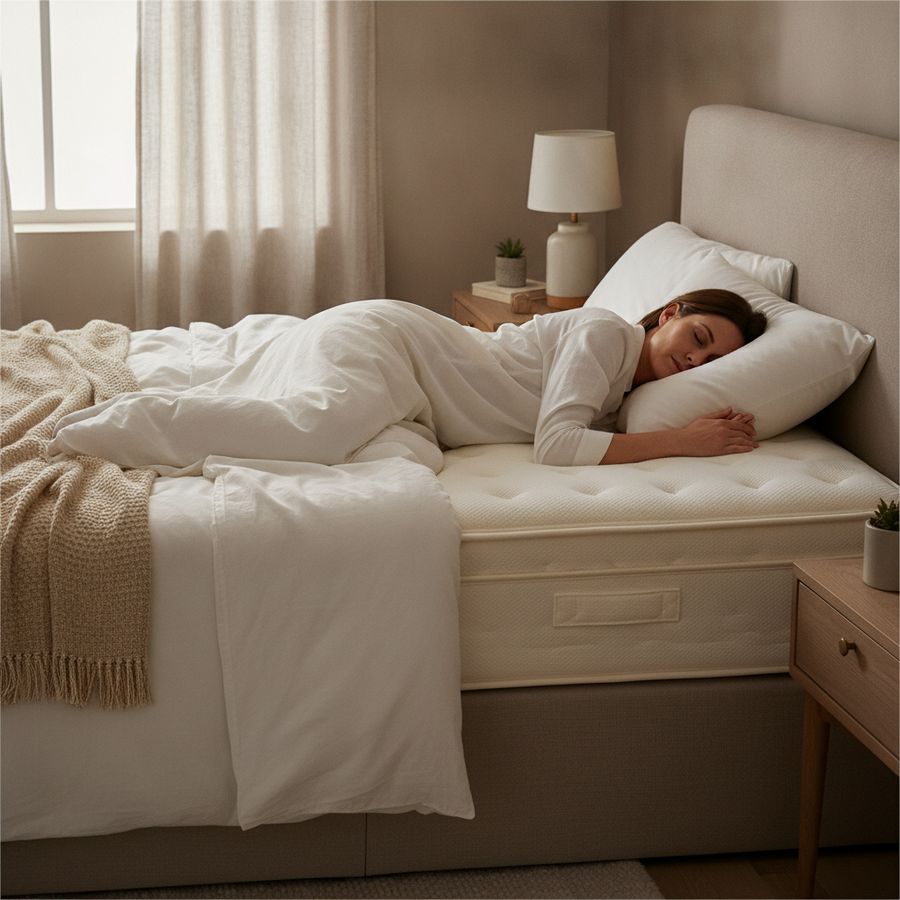
Back sleepers often notice firmness differently because they usually need less dramatic contouring and more even support from head to toe. The mattress should let the hips settle slightly, while keeping the lower back supported so the spine stays comfortably aligned. If the bed is too soft, the pelvis may sink lower than the chest and legs, creating tension by morning.
This is why discussions around back sleeper firmness often centre on medium-firm to firm options. A stable, supportive core is typically more important than a deeply cushioned top. That said, a mattress should never feel board-like. Some surface comfort is still needed so the shoulder blades, hips, and heels do not feel overly compressed.
Back sleepers often prefer features such as:
In well-made mattresses, the difference is subtle but important. The bed should feel calm, level, and supportive rather than hard. That balance is what helps many back sleepers wake up feeling straighter and more refreshed.
Combination sleepers move between positions, so their mattress has to keep up. A surface that feels fine when lying still may become frustrating if it is slow to recover or difficult to turn on. That is why combo sleeper support often depends as much on responsiveness as on firmness level.
Mattresses with quality pocket springs tend to perform well here because they react quickly when weight shifts. Instead of trapping the body in one impression, they help the sleeper transition from side to back or back to side with less effort. Comfort layers still matter, but they should work with the support core rather than smother it.
For combination sleepers, ease of movement is part of comfort
A medium or medium-firm feel is often a safe starting point because it can cushion pressure points without losing overall stability. Many sleepers also prefer designs that combine buoyant support with light contouring, especially when they spend equal time in more than one posture. The best result is a mattress that feels adaptable, not indecisive, from one position to the next.
One of the most overlooked parts of any mattress firmness guide is body weight. A mattress does not feel the same to every sleeper because different amounts of weight interact with the comfort layers and support core in different ways. What feels plush to one person may feel uncomfortably firm to another.
Lighter sleepers often do not sink deeply enough into very firm mattresses to reach the pressure-relieving layers, so the surface can seem harder than intended. Heavier sleepers usually compress materials more, which can make a medium mattress feel much softer and less supportive over time.
This does not mean weight alone decides the right mattress. Sleep position still matters. A heavier side sleeper may still need good shoulder relief, while a lighter back sleeper may still want stronger lumbar support. The key is understanding how body weight changes firmness perception before making a final choice.
Sleep needs are personal, and they can change over time. That is why custom mattress firmness can be such a valuable option, especially for couples, combination sleepers, or anyone who has struggled with standard comfort ratings. A personalised feel gives you a better chance of getting both immediate comfort and lasting support.
Handcrafted mattress makers can often refine the sleep surface more thoughtfully through layered natural fillings, spring tension choices, and targeted support zones. Instead of forcing every sleeper into the same comfort category, customisation allows the mattress to reflect how your body actually rests.
Long-term comfort improves when the mattress is tuned to factors such as:
For shoppers investing in premium sleep, customisation is not a gimmick. It is often the clearest path to fewer compromises, better alignment, and a mattress that still feels right long after the first few nights.
When comparing foam vs natural materials for a cooling mattress , it helps to look beyond the top comfort layer. Heat build-up...
13 Oct 2026 · 8 min read Read →
When comparing spring mattress types , the spring unit underneath the comfort layers is what shapes the overall sleep experience. It influences...
9 Oct 2026 · 5 min read Read →
A mattress does not wear out all at once. It changes gradually through thousands of nights of pressure, movement, temperature shifts, and...
9 Oct 2026 · 7 min read Read →
Answer a few quick questions and we'll match you — or come and try every firmness at our Liversedge showroom.

