

Five-Zone Mattress Support: Is It Worth It?
Five-zone mattress support has emerged as a popular innovation in the quest for better sleep quality and enhanced orthopaedic support. Unlike traditional...
27 May 2026 · 6 min read Read →

 Visit our ShowroomHolme Street, Liversedge WF15 6JB · Tel. 0743 8105145Plan your visit →
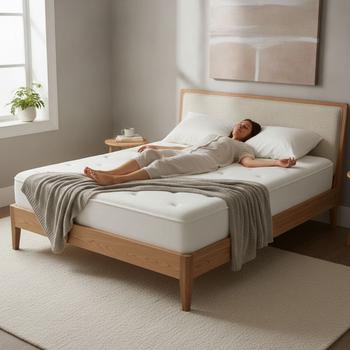
When people search for a back pain mattress, they often focus only on whether it feels soft or firm. In reality, the bigger issue is balanced mattress support. Your mattress should allow heavier areas such as the hips and torso to settle just enough, while keeping the lower back, shoulders, and neck properly supported. That balance helps maintain healthier spinal alignment through the night.
If a mattress is too soft, the midsection can dip and pull the spine out of line. If it is too hard, pressure can build at the shoulders and hips, especially for a side sleeper. Neither extreme is ideal for waking up refreshed. The best support feels even, stable, and responsive rather than rigid.
Proper support does not mean sleeping on the hardest surface possible. It means keeping the spine in a more neutral position from head to hips.
This is why your sleep position, body weight, and mattress construction all matter together. Pocket springs, orthopaedic support layers, and pressure-relieving comfort materials can work together to prevent sagging without creating uncomfortable pushback. For anyone dealing with recurring aches, balanced support is often the first step towards less tossing, fewer pressure points, and a noticeably better morning.
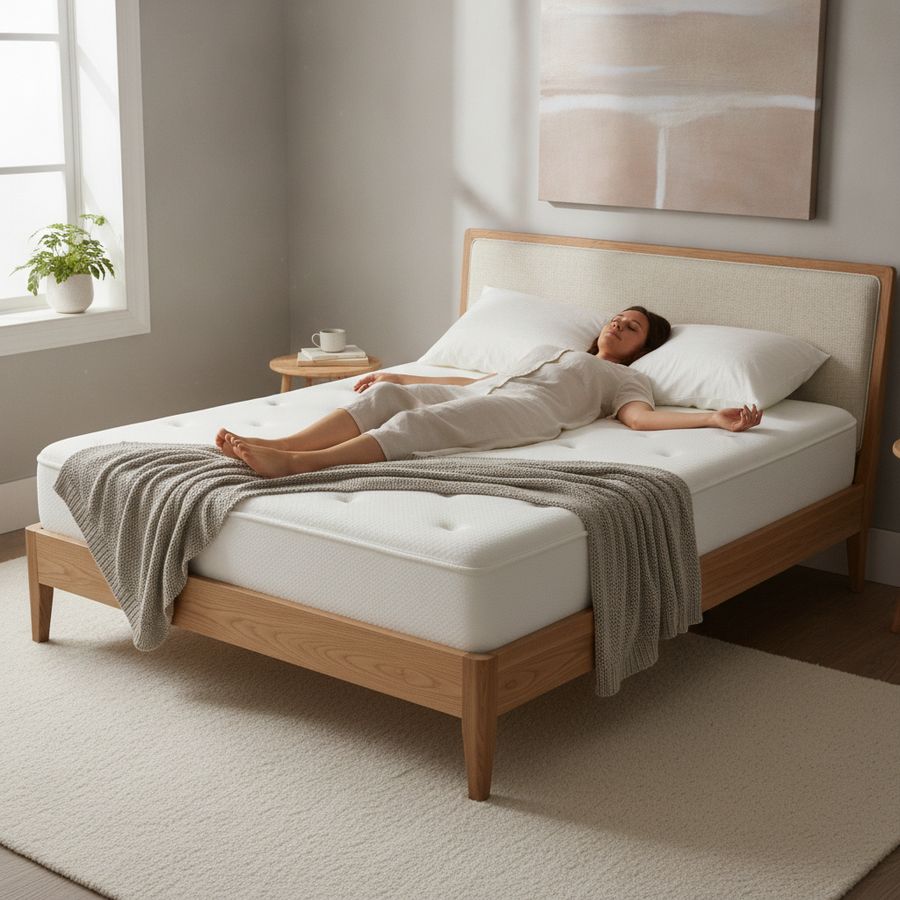
Your mattress affects spinal alignment by influencing how evenly your body is supported for six to eight hours every night. In a neutral position, the spine keeps its natural curves without exaggeration. A mattress that supports this alignment can reduce strain on muscles, joints, and connective tissues, while a poor one may encourage slumping, twisting, or overextension.
For back sleepers, the mattress should support the lower back without leaving a gap beneath it. For side sleepers, the surface should cushion the shoulder and hip enough to stop the spine from bending sideways. For stomach sleepers, too much sink can place extra pressure on the lumbar area, which is why this sleep position usually needs a steadier feel.
Support also changes over time. An ageing mattress may look acceptable but still develop body impressions that subtly disturb posture night after night. That can leave you waking with tension, stiffness, or the sense that your body never fully relaxed.
A sagging centre can strain the lower back
Too much surface pressure can affect shoulders and hips
Uneven support can make turning during sleep harder
Choosing the right back pain mattress is therefore less about trend and more about keeping the body aligned consistently, comfortably, and without excess pressure.
The best materials for an aching back usually combine responsive support with effective pressure relief. One material alone does not always solve the problem. Instead, a well-built mattress often uses a supportive core and a comfort layer that cushions without letting the body sink too deeply.
Pocket springs are popular because they respond individually to body weight, helping support different areas more precisely. They can be especially useful for couples and combination sleepers because they adapt as you move. Orthopaedic spring systems may appeal to those who prefer a firmer, steadier feel. Meanwhile, memory foam can ease pressure around the shoulders and hips, though it should sit on a stable base so it does not compromise spinal alignment.
Natural materials such as wool, cotton, and cashmere can also play a role. While they are often discussed for breathability, they contribute to a more balanced comfort surface that feels supportive rather than overly dense. High-density reflex foam is another option for sleepers who want a firmer, more lifted sensation.
The most supportive mattress materials are the ones that hold the body level while still relieving pressure where you need it most.
When evaluating a back pain mattress, look beyond marketing terms and focus on how the materials work together to support your weight, shape, and preferred sleep position.
A five-zone support mattress is designed to give different parts of the body different levels of support. This matters because your shoulders, waist, lower back, hips, and legs do not place equal pressure on the bed. A one-feel-fits-all surface can leave some areas unsupported while overloading others, particularly if you already wake with aches.
With a zoned design, softer comfort can be placed where joints need more give, such as the shoulders and hips, while firmer reinforcement supports the lumbar region. That combination can improve spinal alignment and reduce pressure build-up during the night. For side sleepers, this often means less compression at the shoulder and hip. For back sleepers, it can help prevent the pelvis from dipping too far.
Shoulders receive gentler cushioning
The lower back benefits from firmer central support
Hips are stabilised to reduce twisting
Legs rest on a more even, supportive base
This type of structure can be especially valuable if you struggle to find the right balance between softness and control. Rather than making the whole mattress firmer, five-zone support distributes comfort more intelligently.
For many people, that targeted design is what transforms a mattress from simply comfortable into genuinely helpful for reducing nightly pressure and morning discomfort.
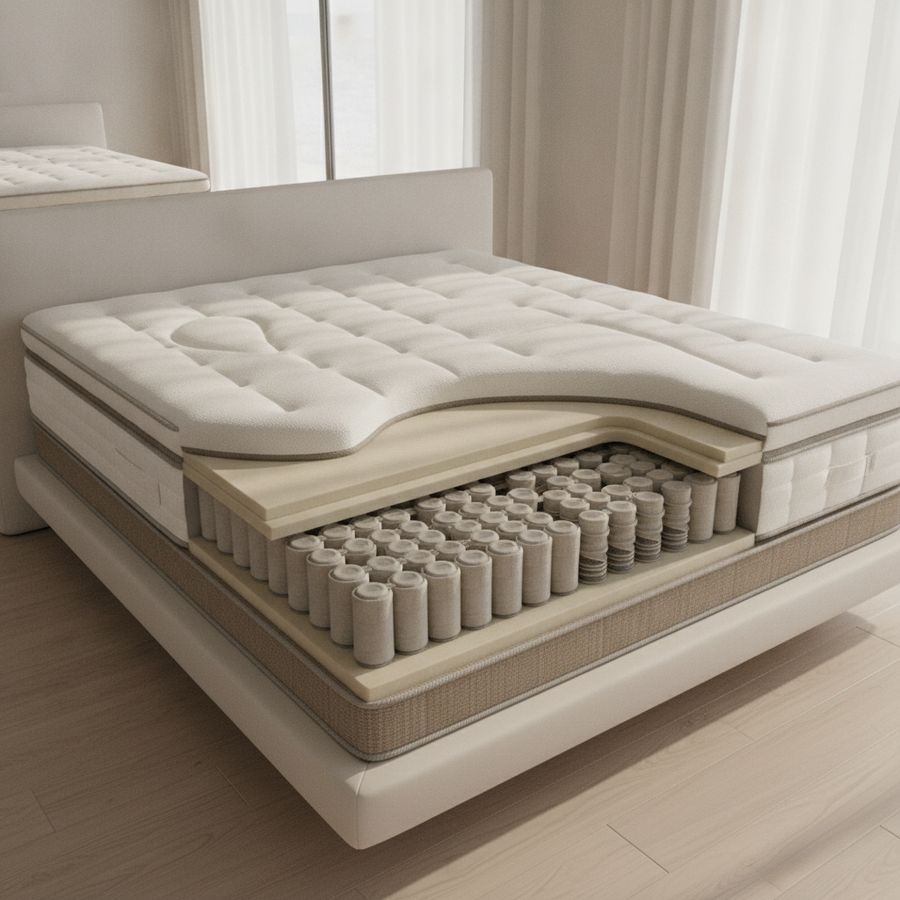
Mattress firmness is not a one-size-fits-all decision. What feels wonderfully supportive to one person may feel uncomfortably hard or far too soft to another. The right choice depends heavily on body weight and sleep position, because these factors affect how deeply the body settles into the mattress and where pressure is concentrated.
Lighter sleepers often experience a firm mattress as harder than intended, because they do not sink in enough to access the comfort layers. Heavier sleepers may need stronger support to stop the hips and torso from dipping too low. Side sleepers usually benefit from medium to medium-firm comfort with enough give around the shoulders and hips. Back sleepers often prefer a balanced medium-firm feel, while stomach sleepers typically need a firmer surface to protect spinal alignment.
The best mattress firmness is the one that keeps your spine level without creating pressure where your body needs cushioning.
If you share a bed, the decision becomes more nuanced. Responsive pocket springs and layered support can help bridge different preferences better than a flat, uniform feel.
When comparing a potential back pain mattress, do not ask only whether it feels firm. Ask whether its firmness matches your body and supports your natural posture through the night. That is what leads to better comfort and fewer aches in the morning.
Testing support before buying is one of the smartest ways to avoid choosing the wrong mattress. A quick sit on the edge tells you very little. Instead, lie down in your normal sleep position for at least ten to fifteen minutes. Give your body time to settle, because pressure and posture issues often appear after the first minute or two.
Pay attention to whether your lower back feels supported, whether your shoulders and hips are cushioned, and whether turning feels easy. If the mattress feels comfortable at first but your pelvis drops or your shoulders press painfully into the surface, the support may not be right for you. Good support should feel steady, natural, and quietly comfortable.
Test the mattress in the position you sleep in most
Notice whether your spine feels level and relaxed
Check for pressure at the hips, shoulders, or lower back
If sharing, test movement transfer and usable edge space
A showroom visit can be especially helpful because you can compare different builds and levels of mattress firmness side by side. It is easier to recognise the difference between simple softness and true support when you experience both.
If you are shopping for a back pain mattress, comfort matters, but alignment matters more. Test with intention, not just first impressions.
Morning stiffness is often a sign that the mattress is not supporting recovery during sleep. If your body spends the night compensating for sagging, pressure points, or poor posture, muscles can stay tense for hours. The right mattress build helps the body relax more fully by combining support, cushioning, breathability, and long-term stability.
A strong support core is essential, whether that comes from pocket springs, orthopaedic coils, or high-density foam. Above that, comfort layers should relieve pressure without allowing too much sink. Details such as hand-tufting, edge-to-edge support, and durable fillings can also matter because they help the mattress keep its shape and consistent feel over time. A mattress that performs well in month one but softens unevenly later may gradually undermine spinal alignment.
Breathable materials contribute too. Overheating can increase restlessness, and frequent movement may aggravate an already sensitive back. A cooler, more stable surface helps support deeper rest and better recovery.
A mattress cannot treat every cause of back pain, but the right build can reduce avoidable strain and help you wake feeling looser, not tighter.
If you frequently wake up with discomfort, it might be time to reevaluate your mattress firmness, support zones, and material quality. This simple step could lead to more comfortable mornings and better restorative sleep. For more insights, check out Carter and Lewis.
The best back pain mattress is usually one that keeps your spine in a neutral position while relieving pressure at the shoulders, hips, and lower back. For many people, that means a medium to medium-firm feel with supportive materials such as pocket springs, zoned support, or stable foam layers rather than an extremely hard surface.
No. A mattress that is too firm can create pressure at the shoulders and hips, especially for side sleepers, while one that is too soft can let the pelvis dip and pull the spine out of line. The goal is balanced support, not maximum firmness.
Sleep position changes where your body applies pressure. Side sleepers usually need more cushioning around the shoulders and hips, back sleepers often do well with balanced lumbar support, and stomach sleepers typically need a firmer, steadier feel to reduce lower-back strain.
Five-zone support means the mattress is built with different support levels for different parts of the body, such as softer sections for the shoulders and hips and firmer support for the lower back. This can improve spinal alignment and reduce pressure points more effectively than a uniform surface.
Lie down in your usual sleep position for at least 10 to 15 minutes and check whether your spine feels level, your lower back feels supported, and your shoulders and hips feel cushioned without sinking too deeply. If you share a bed, also test movement transfer and edge support.
Five-zone mattress support has emerged as a popular innovation in the quest for better sleep quality and enhanced orthopaedic support. Unlike traditional...
27 May 2026 · 6 min read Read →
When comparing foam vs natural materials for a cooling mattress , it helps to look beyond the top comfort layer. Heat build-up...
13 Oct 2026 · 8 min read Read →
When comparing spring mattress types , the spring unit underneath the comfort layers is what shapes the overall sleep experience. It influences...
9 Oct 2026 · 5 min read Read →
Answer a few quick questions and we'll match you — or come and try every firmness at our Liversedge showroom.

