


Chemical-Free Mattress Guide: Healthier Sleep At Home
Overview
Choosing the right mattress is essential for achieving healthier sleep at home. In recent years, the demand for chemical-free mattresses has surged as more individuals become aware of the potential health risks associated with synthetic materials and chemical treatments commonly found in traditional mattresses. A chemical-free mattress offers a natural sleep environment, reducing exposure to harmful substances and promoting better respiratory health.
Many conventional mattresses contain volatile organic compounds (VOCs) and other chemicals that can off-gas, releasing irritants into the bedroom air. These emissions may trigger allergies, asthma, and other respiratory issues, disrupting sleep quality. By opting for a chemical-free mattress, you create a safer and more comfortable space for rest.
“Investing in a chemical-free mattress is an investment in your long-term health and wellbeing.”
In this guide, we will explore common chemicals found in some mattresses, highlight options for low-VOC and chemical-free mattresses, and discuss the benefits of natural and hypoallergenic materials. Additionally, we will cover practical tips for reducing odours and off-gassing, as well as caring for your mattress without harsh sprays. This comprehensive overview will empower you to make informed decisions and enjoy truly restorative, healthier sleep.
Common Chemicals Found in Some Mattresses
Many mattresses on the market contain synthetic chemicals used in manufacturing processes to enhance durability, fire resistance, and comfort. Common chemicals include:
- Flame retardants: Added to meet fire safety standards but often linked to respiratory irritation and hormone disruption.
- Formaldehyde: Used in adhesives and coatings, it is a known irritant and potential carcinogen.
- Phthalates: Plasticizers used to soften materials, which can affect endocrine function.
- Polyurethane foam: A synthetic foam that can release VOCs during off-gassing.
These chemicals can emit VOCs, causing off-gassing that results in unpleasant odours and potential health risks, especially in sensitive individuals. Off-gassing is most intense shortly after unpacking but can continue for months.
Understanding these ingredients is crucial for anyone seeking a healthier sleep environment. Choosing mattresses free from these chemicals can reduce exposure and improve indoor air quality.
“Off-gassing from synthetic mattress components may contribute to allergic reactions and respiratory discomfort.”
Low-VOC and Chemical-Free Mattress Options
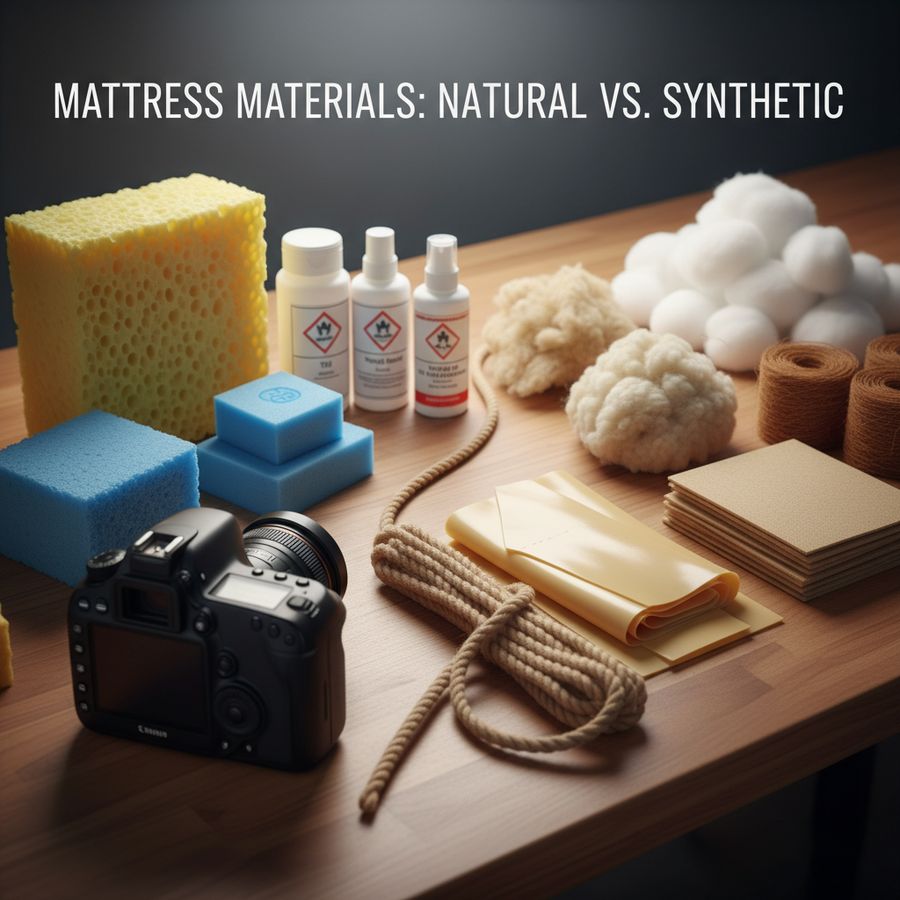
For those prioritizing health, selecting a low VOC mattress or truly chemical-free option is vital. These mattresses use natural or minimally processed materials, avoiding synthetic chemicals and harmful flame retardants.
Popular choices include:
- Natural latex mattresses: Made from rubber tree sap, latex is naturally resistant to dust mites and mold without chemical treatments.
- Organic cotton and wool covers: These materials breathe well, regulate temperature, and reduce allergens.
- Coir and natural fibre fillings: Sustainable and chemical-free alternatives to synthetic foams.
Manufacturers of chemical-free mattresses often certify their products with labels such as GOTS (Global Organic Textile Standard) or OEKO-TEX®, ensuring low chemical use and emissions. These certifications provide peace of mind that your mattress supports a healthy sleeping environment.
Choosing a certified low-VOC mattress not only benefits your health but also the planet.
Hypoallergenic Materials Vs Chemical Treatments
Many mattresses advertise hypoallergenic properties, but it is important to distinguish between natural hypoallergenic materials and chemical treatments designed to repel allergens.
Hypoallergenic materials like natural latex, organic cotton, and wool inherently resist common allergens such as dust mites, mold, and bacteria. Their breathable, moisture-wicking properties create an inhospitable environment for these irritants.
In contrast, some mattresses use chemical treatments or coatings to achieve hypoallergenic claims. While these treatments may offer temporary relief, they often involve synthetic chemicals that can cause skin irritation or off-gassing.
“Natural hypoallergenic materials promote healthier sleep without introducing harmful chemicals.”
Opting for mattresses with genuine hypoallergenic materials ensures a safer sleep environment. For allergy sufferers, a mattress free from chemical treatments reduces the risk of skin and respiratory irritation, enhancing overall sleep quality.
Natural Fillings for a Healthier Bedroom
Natural fillings are the cornerstone of a chemical-free mattress, offering comfort and sustainability without compromising health. Common natural fillings include:
- Wool: Naturally flame-resistant, moisture-wicking, and hypoallergenic, wool regulates temperature and absorbs excess moisture.
- Cashmere: A luxurious natural fibre that is soft, breathable, and gentle on sensitive skin.
- Organic cotton: Breathable and soft, cotton provides a comfortable surface while avoiding synthetic irritants.
- Natural latex: Durable, supportive, and resistant to dust mites and mold without chemical additives.
These fillings contribute to a healthier bedroom by reducing allergens and preventing the build-up of harmful microorganisms. They also support sustainable and eco-friendly manufacturing practices, making them the preferred choice for conscientious consumers.
Incorporating natural fillings helps create a sleep space that nurtures your body and mind, free from chemical interference.
How to Reduce Odours and Off-Gassing
Off-gassing is a common concern with new mattresses, especially those made with synthetic materials. To minimise odours and improve indoor air quality, consider these tips:
- Unpack in a well-ventilated room: Allow the mattress to air out for several days before use.
- Use natural mattress protectors: Protectors made from organic cotton or wool can help absorb odours and allergens.
- Avoid synthetic sprays or chemicals: These can worsen indoor air quality and mask odours temporarily.
- Keep the bedroom environment clean and dry: Regularly airing out bedding and maintaining humidity levels below 50% helps prevent microbial growth.
“Proper ventilation and natural bedding accessories are key to reducing mattress off-gassing.”
By following these practices, you can enjoy your new mattress with minimal exposure to VOCs and other irritants, ensuring a healthier, fresher sleep environment.
Cleaning and Care Without Harsh Sprays
Maintaining a chemical-free mattress requires careful cleaning methods that avoid harsh sprays or synthetic cleaners. Instead, opt for gentle, natural alternatives:
- Vacuum regularly: Use a vacuum with a HEPA filter to remove dust, allergens, and dust mites.
- Spot clean with mild soap and water: Use a soft cloth and natural detergent for any stains.
- Deodorise with baking soda: Sprinkle baking soda on the mattress surface, let it sit for 15-30 minutes, then vacuum it off to neutralize odours naturally.
- Rotate mattress seasonally: This prevents uneven wear and helps maintain comfort and support.
These care tips extend the life of your mattress while preserving its chemical-free integrity and hypoallergenic benefits.
By avoiding chemical sprays, you protect both your health and the environment, creating a truly sustainable sleep sanctuary.
Conclusion
Choosing a chemical-free mattress is a meaningful step toward achieving healthier sleep and creating a safer home environment. By understanding the common chemicals found in many mattresses and exploring natural, hypoallergenic alternatives, you empower yourself to sleep more soundly and wake up refreshed.
Natural fillings like wool, cotton, and latex not only enhance comfort but also reduce allergens and off-gassing, contributing to improved indoor air quality. Incorporating care routines that avoid harsh chemicals further supports your wellbeing and extends mattress longevity.
“Investing in a chemical-free mattress is investing in your health and quality of life.”
At Carter & Lewis, we proudly offer handcrafted mattresses combining traditional craftsmanship with chemical-free materials, designed to nurture your body and provide restorative rest. Explore our range of premium mattresses to find the perfect fit for your healthier sleep journey.