


Cooling Mattresses by Sleep Position
Why Hot Sleepers Need Responsive Airflow Layers
For many people, overheating is not just a comfort issue; it can interrupt deep, restorative rest. A well-designed cooling mattress helps regulate temperature by allowing heat and humidity to move away from the body rather than becoming trapped around it. This matters even more for hot sleepers, whose body heat can build quickly during the night, especially when the comfort layers are dense or slow to respond.
Responsive airflow layers are important because they do two jobs at once: they cushion the body while also creating space for air to circulate. Materials and constructions that feel breathable rather than overly dense can reduce that heavy, stuffy feeling that often leads to tossing, turning, and kicking off the duvet. In practical terms, a hot sleepers mattress should not only feel cool when you first lie down, but continue supporting better airflow over several hours.
Cooling comfort works best when the mattress releases heat consistently instead of storing it through the night
At Carter & Lewis, the focus on hand-crafted design, pocket spring technology, and breathable natural fillings reflects this balance well. Rather than relying on surface-level cooling alone, the right mattress should support a more stable sleep climate from the inside out. If you often wake feeling clammy or over-warm, look for a breathable mattress with layered ventilation, responsive support, and fillings that do not smother airflow as your body settles into the bed.
Are Cooling Mattresses Right for Every Sleeper?
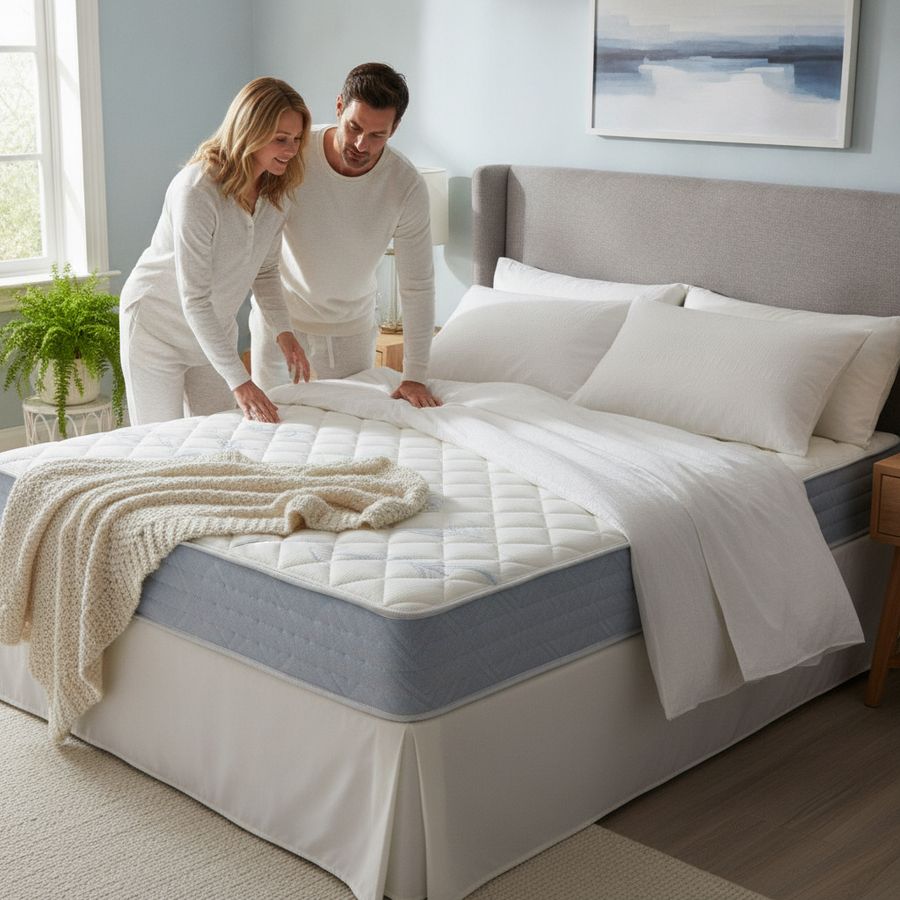
A cooling mattress can benefit far more than just people who describe themselves as very hot sleepers. In reality, most sleepers rest better when the bed encourages airflow, limits moisture build-up, and maintains a comfortable surface temperature. That said, the best choice depends on body type, room conditions, bedding, and your usual sleeping position.
For example, someone in a warm loft bedroom may need stronger airflow features than a sleeper in a cooler home. Likewise, a person who sleeps on their side may prioritise contouring first, while a back sleeper may care more about support and firmness. This is why a good sleep position mattress should not focus on cooling in isolation. It should combine temperature control with the right pressure relief and spinal alignment for the individual.
Cooling designs are especially useful for:
- People who wake up sweaty or uncomfortable
- Couples who generate more shared body heat
- Sleepers using heavier duvets or layered bedding
- Those who prefer deeper support without feeling enclosed
Not every sleeper needs an ultra-cool feel, but almost everyone can benefit from a mattress that breathes better. The goal is not to feel cold; it is to avoid trapped heat that disrupts sleep. A balanced breathable mattress offers year-round comfort, making it a smart option for many households, especially when paired with supportive springs and natural fibres that help moisture disperse more naturally.
Side Sleepers Need Pressure Relief Without Heat Build-up
Side sleepers often need a mattress that cushions the shoulders and hips, because these areas take on more pressure than they do in other sleeping positions. The challenge is that plush comfort layers, while excellent for pressure relief, can sometimes hold onto warmth if they are too dense. That is why the ideal sleep position mattress for side sleepers should soften pressure points without creating a cocoon of trapped heat.
A more thoughtful cooling mattress design combines gentle contouring with breathable support underneath. Pocket springs, lighter comfort layers, and temperature-conscious fillings can help side sleepers settle in comfortably while still allowing air to move through the mattress. This prevents the common problem of the bed feeling comfortable at first, then increasingly warm around the shoulders, waist, and knees.
The best mattress for side sleeping should cradle the body where needed while still letting the mattress breathe
Side sleepers should generally look for features such as:
- Pressure relief around shoulders and hips
- Responsive support that does not let the body sink too deeply
- Ventilated spring systems for better airflow
- Comfort layers paired with natural fibres or breathable fillings
For hot sleepers who prefer the side position, balance is everything. Too firm, and pressure builds up; too soft, and heat can linger. A hot sleepers mattress for side sleeping works best when it supports alignment, eases tension, and keeps the sleep surface fresher all night long.
How Does Firmness Affect Overnight Temperature?
Firmness has a bigger effect on sleep temperature than many shoppers realise. A very soft mattress often allows the body to sink more deeply into the comfort layers, increasing the amount of surface contact and reducing the space where air can circulate. That closer hug can feel cosy at first, but for some people it leads to more noticeable heat retention as the night goes on.
By contrast, a firmer or medium-firm breathable mattress may keep more of the body elevated, which can improve airflow around the sleeper. However, firmness alone is not a guarantee of cooler sleep. A mattress can feel firm and still trap warmth if the materials are dense and poorly ventilated. Equally, a medium mattress with pocket springs and natural fibres may sleep cooler than an extra-firm foam design.
This is why firmness should be matched to both comfort and temperature needs. Consider how you sleep:
- Side sleepers often need medium comfort with pressure relief
- Back sleepers usually benefit from balanced support and moderate airflow
- Front sleepers often prefer a firmer feel that limits sinkage and heat build-up
The right cooling mattress is one that suits your body as well as your temperature preferences. Brands that offer tailored firmness options and modern support systems can be especially useful here. Instead of asking whether soft or firm is best in general, ask which feel allows you to stay aligned, comfortable, and less overheated in your preferred sleeping position.
Natural Fibres Help Reduce Trapped Body Heat
When people think about cooling features, they often picture gels or specialist foams, but natural fibres remain one of the most effective ways to create a fresher sleep environment. Materials such as wool, cotton, and cashmere are valued because they are naturally breathable and better at managing moisture than many synthetic alternatives. That makes them particularly appealing in a cooling mattress designed for long-lasting comfort.
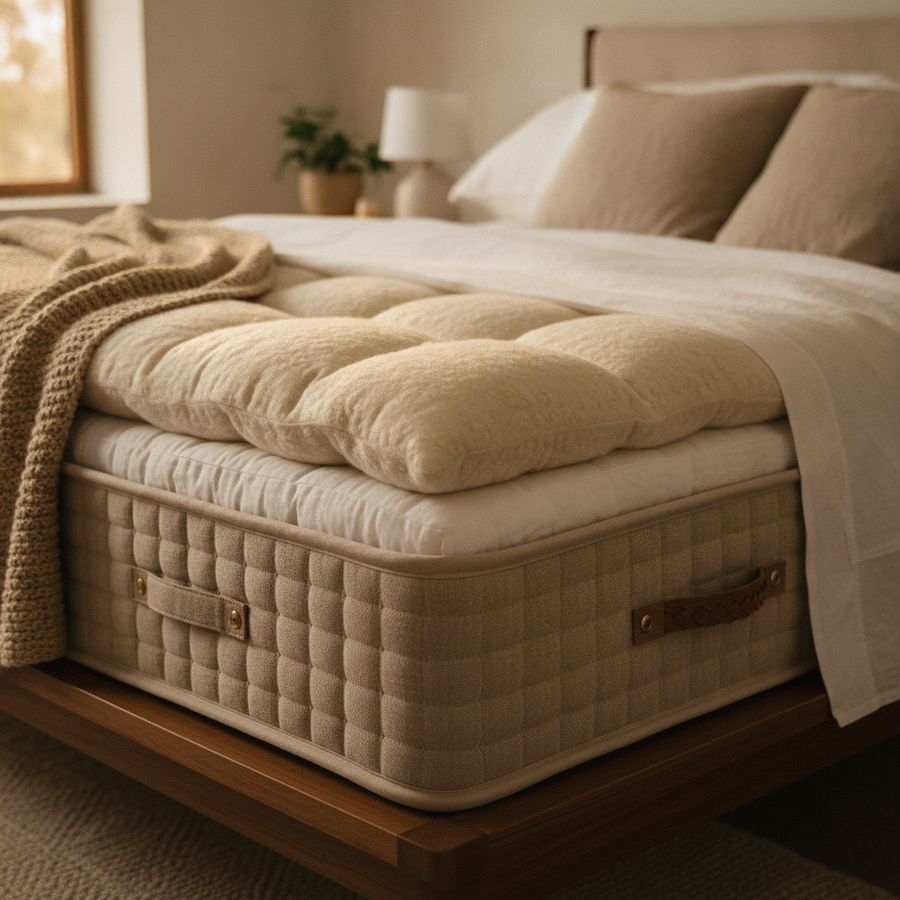
Rather than sealing warmth close to the body, natural fillings help disperse heat and humidity. This can make a real difference for sleepers who wake feeling damp, stuffy, or overheated in the early hours. In a hand-crafted mattress, these fibres also work beautifully alongside pocket springs, creating a layered structure that feels supportive without becoming oppressive.
Natural comfort often comes from materials that breathe with your body instead of insulating every bit of heat it produces
Benefits of natural fibres in a hot sleepers mattress include:
- Better moisture control through the night
- A more breathable and temperature-balanced feel
- Comfort that feels fresh in warm weather and balanced in cooler months
- A premium sleep surface with a more traditional, well-made character
This is one reason Carter & Lewis highlights wool, cotton, cashmere, and other premium fillings in several mattress ranges. For shoppers looking for a breathable mattress, these fibres offer a practical and luxurious route to reducing trapped body heat without sacrificing comfort or support.
Pocket Springs Improve Ventilation Across the Bed
Pocket springs are widely known for responsive support, but they also play a major role in airflow. Because each spring sits individually within the mattress structure, pocket-sprung designs create more internal space than fully solid comfort cores. That space allows air to move through the bed more freely, helping heat disperse instead of lingering around the sleeper for hours.
This makes pocket springs a strong choice in a cooling mattress, especially for couples or combination sleepers who shift position through the night. As the sleeper moves, the mattress responds locally rather than compressing as one dense block. The result is support that feels adaptive and less heat-retentive. For anyone choosing a sleep position mattress, this can be a valuable advantage because it combines pressure response with ventilation.
A pocket-sprung breathable mattress can be especially helpful when paired with:
- Natural fibres such as wool and cotton
- Comfort layers designed for pressure relief without excessive sinkage
- Edge-to-edge support for a more usable and balanced sleep surface
- Hand-tufted construction that keeps fillings stable and evenly distributed
For hot sleepers, ventilation is not just about what you feel on top of the mattress. It is also about what is happening inside it. Pocket springs improve airflow across the bed, making them an excellent foundation for cooler, more balanced rest. If you want support that feels comfortable without becoming stuffy, this construction is well worth prioritising.