


How Long Should a Mattress Last in the UK?
Overview
If you are wondering how long should a mattress last, the honest answer is that it depends on the materials, the build quality, and how well it is cared for. In the mattress lifespan UK market, many people are told the simple rule of eight years, but that is only a starting point. Some mattresses wear out sooner, while a well-made model can stay supportive and comfortable for longer.
A mattress does not fail all at once. More often, mattress longevity fades gradually through softening fillings, reduced support, body impressions, and less effective pressure relief. That slow decline is why many sleepers adjust to poor comfort without realising their bed is affecting sleep quality, posture, or morning aches.
UK buyers should think beyond age alone. The real question is whether the mattress still delivers proper spinal alignment, even weight distribution, and consistent comfort from edge to edge. A cheap mattress may look acceptable on the surface while already losing structure underneath.
A mattress should be replaced when comfort and support no longer match what your body needs, not simply because a calendar says so
This guide explains typical lifespan ranges, what shortens them, when to replace mattress models, and why careful buying can improve premium mattress value over time.
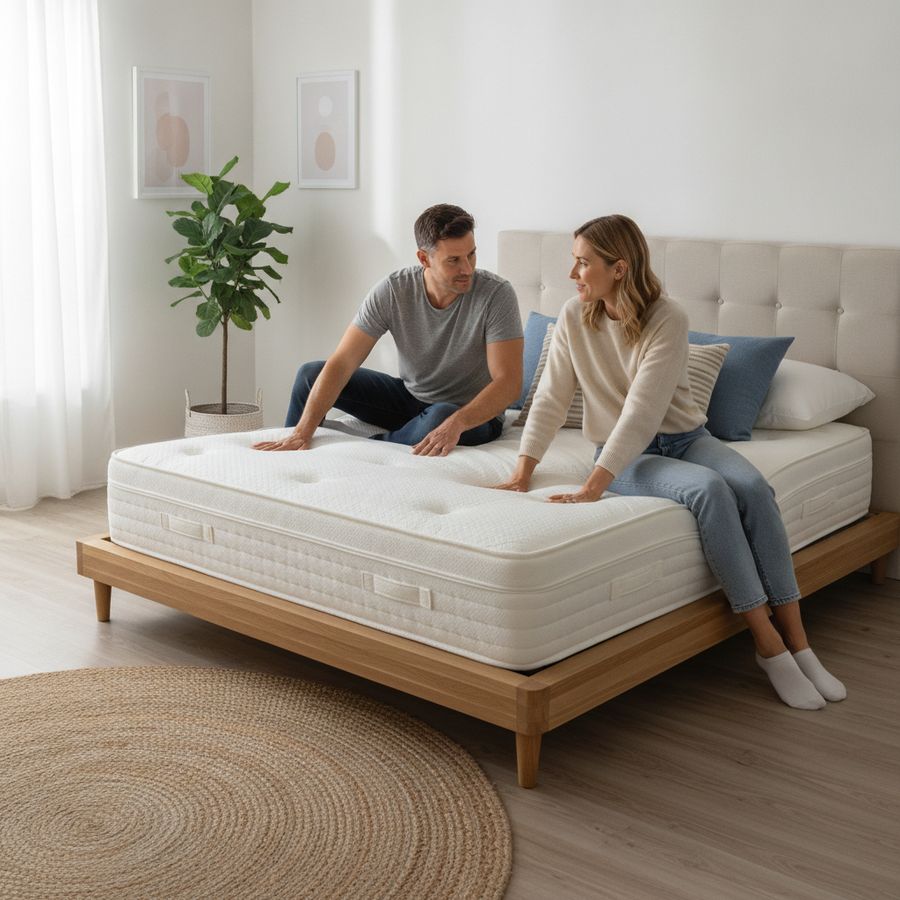
Average Mattress Lifespan by Mattress Type
The average mattress lifespan UK shoppers can expect varies by mattress type. Open coil or Bonnell spring mattresses often last around 5 to 7 years, especially in lower price brackets. They can be comfortable at first, but the connected spring system may lose tension more quickly with regular nightly use.
Pocket spring mattresses usually perform better for mattress longevity. A solid mid-range or premium pocket spring model may last 7 to 10 years, and sometimes longer if it uses durable fillings and careful hand-tufted construction. Memory foam mattresses often sit in a similar range of 6 to 9 years, though density matters greatly. Lower-density foam tends to soften and compress faster.
Latex and high-density reflex foam models can sometimes last 8 to 10 years or more when built well. Hybrid mattresses vary because their lifespan depends on both the spring unit and comfort layers working together.
- Open coil: 5 to 7 years
- Pocket spring: 7 to 10 years
- Memory foam: 6 to 9 years
- Latex or high-density foam: 8 to 10+ years
So, when asking how long should a mattress last, always look at the construction details rather than the label alone. Materials and craftsmanship make a bigger difference than marketing categories.
Why Build Quality Changes Mattress Longevity
Build quality is one of the biggest reasons two mattresses of the same type can age very differently. A budget mattress may use thinner spring wire, lower-density foam, lighter fillings, and weaker edge support. On paper, it might sound similar to a better model, but in real life the difference shows up in sagging, uneven comfort, and faster wear.
Stronger mattress longevity usually comes from details that are easy to overlook: hand-tufting that keeps layers stable, denser comfort fillings, robust spring units, and breathable natural materials that resist heat and moisture build-up. Well-made pocket spring mattresses, for example, often maintain more consistent support because each spring responds independently instead of the whole surface moving as one.
Premium manufacturers also tend to focus on edge stability, cleaner finishes, and carefully balanced support layers. Those details help a mattress feel dependable year after year, not just in the first few months.
Not all premium mattresses are expensive for the sake of appearance; the best ones cost more because they are built to stay comfortable for longer
This is where premium mattress value becomes important. Paying more upfront for better materials can mean fewer comfort problems, better sleep, and a longer gap before you need to replace mattress products again.
Signs You Need a New Mattress
Many people wait until a mattress looks badly worn before taking action, but the clearest warning signs are often physical. If you wake with back pain, stiff shoulders, hip pressure, or the feeling that you slept badly despite enough hours in bed, your mattress may no longer be supporting you properly.
Visible signs matter too. Deep body impressions, sagging in the middle, lumpy fillings, noisy springs, or edges that collapse when you sit are all signals that performance is declining. If you regularly roll into one spot or feel your partner’s movements more than before, support may have broken down underneath the surface.
- Persistent morning aches or stiffness
- Noticeable dips or permanent indentations
- Increased movement transfer
- Reduced edge support
- Sleeping better in hotels or on another bed
For allergy sufferers, a mattress can also become less hygienic over time as it collects dust, moisture, and allergens. That alone can be a reason to replace mattress models that are old and difficult to freshen properly.
If you are still asking how long should a mattress last, remember this: age is only one factor. Once comfort, cleanliness, and support decline together, the mattress has likely reached the end of its useful life.

How to Extend Mattress Life Properly
Good care can improve mattress longevity, but it cannot rescue poor construction forever. What it can do is help a quality mattress perform at its best for longer. Start with the basics: place the mattress on a suitable supportive base, use a breathable mattress protector, and follow the maker’s guidance on turning or rotating.
Many mattresses benefit from regular rotation every few months to spread wear more evenly. Double-sided designs may also be turned, which can meaningfully extend their lifespan. Keeping the bedroom well ventilated matters too, because trapped moisture can affect fillings and freshness over time.
You should also avoid habits that strain the structure, such as jumping on the bed, sitting on the same edge constantly, or leaving the mattress unsupported on old slats. Vacuuming the sleep surface and airing the bed occasionally can help reduce dust and moisture build-up.
Maintenance does not make a mattress immortal, but it can protect the comfort and support you paid for
- Rotate on schedule
- Use a quality protector
- Match it with a proper bed base
- Keep the room ventilated
- Follow care instructions from the manufacturer
These steps will not change how long should a mattress last in theory, but they often make a practical difference in the real-world mattress lifespan UK homeowners experience.
When Premium Mattresses Offer Better Value
At first glance, a lower-priced mattress can seem like the sensible choice. But if it loses support in five years and needs replacing quickly, it may cost more in the long run than a better-built model that remains comfortable for eight, nine, or even ten years. That is the real meaning of premium mattress value.
Higher-end mattresses often justify the price through materials and construction rather than branding alone. Features such as hand-tufting, pocket spring support, natural breathable fillings like wool or cotton, stronger edge reinforcement, and tailored firmness options can all contribute to better durability. For UK buyers, that often means fewer dips, steadier posture support, and a more consistent sleeping surface through the years.
Brands focused on craftsmanship, including handcrafted Yorkshire makers, tend to highlight durability because longevity is part of the product itself. A mattress built with care and quality materials is less likely to feel tired long before its time.
If a premium mattress helps you avoid discomfort, improves sleep quality, and delays when you must replace mattress products, the higher initial spend can be easier to justify. In short, the cheapest option is not always the most economical when judged by comfort per year of use and overall mattress longevity.
Conclusion
So, how long should a mattress last in the UK? For most people, the realistic answer is somewhere between 5 and 10 years, depending on the mattress type, daily use, maintenance, and above all the quality of the build. Open coil models often sit at the lower end, while better-made pocket spring, latex, and high-density foam mattresses can last much longer.
The key is not to focus on age alone. A mattress has reached the end of its life when it no longer supports healthy sleep. Morning aches, visible sagging, poor edge support, and worsening comfort are stronger indicators than any single rule of thumb.
If you want the best mattress lifespan UK results, choose durable materials, follow proper care instructions, and think carefully about long-term value. A mattress that stays comfortable year after year is usually a better investment than one that feels good only at the start.
Replace your mattress when it stops supporting restful, restorative sleep — because a bed should work for your body every night, not against it
Whether you buy budget or premium, understanding mattress longevity helps you make a smarter choice, protect your sleep, and recognise when it is time to replace mattress support with something better.