


Chemical-Free Mattress Guide: Healthier Bedroom Sleep
Overview
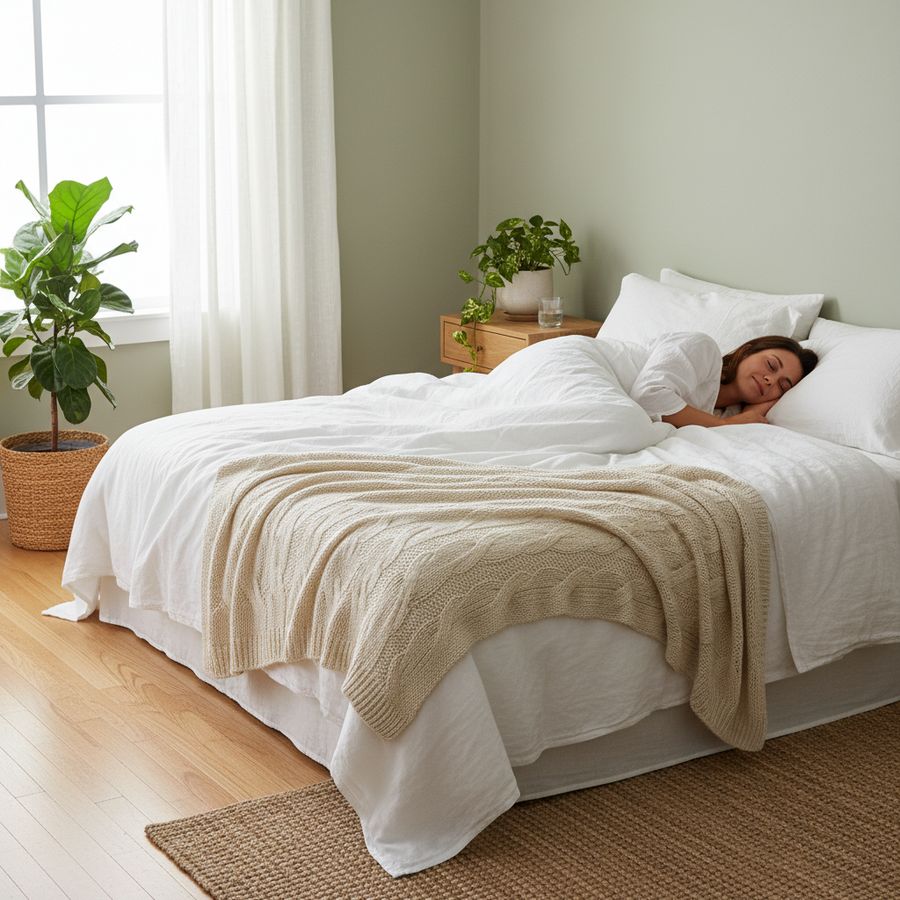
Choosing a chemical-free mattress is an essential step toward creating a healthier bedroom and improving your overall sleep quality. Many conventional mattresses contain synthetic chemicals and compounds that can emit volatile organic compounds (VOCs), which may contribute to indoor air pollution and negatively impact your health. In contrast, opting for mattresses made with natural materials and free from harsh chemicals promotes a healthy sleep environment that supports restorative rest and reduces allergy risks.
Investing in a mattress designed to minimize chemical exposure is especially important for sensitive individuals, including those with allergies, asthma, or chemical sensitivities. A hypoallergenic mattress crafted from natural fibers and low-VOC materials can significantly reduce irritants such as dust mites, mold, and toxic off-gassing. This guide will explore the common chemicals found in mattresses, alternatives like natural latex, and tips to create a truly safe and restful sleep space.
“A chemical-free mattress not only enhances comfort but also protects your health by fostering a cleaner, allergen-reduced bedroom atmosphere.”
Common Mattress Chemicals and Odour Causes
Many traditional mattresses contain synthetic chemicals such as flame retardants, formaldehyde, and phthalates, which help meet safety standards but can be harmful over time. These substances often release VOCs, leading to that characteristic "new mattress smell" that some find irritating. Prolonged exposure to these chemicals can cause headaches, respiratory issues, and skin irritation, making it crucial to be aware of what your mattress is made from.
Common chemicals found in conventional mattresses include:
- Polyurethane foam: Often treated with chemical additives that off-gas VOCs.
- Flame retardants: Such as PBDEs and TDCPP, linked to health concerns.
- Formaldehyde: Used in adhesives and coatings, a known irritant.
Odours from these chemicals can linger for weeks, impacting indoor air quality. Choosing mattresses with no or low chemical content helps reduce these odours and creates a fresher sleeping environment. Look for certifications like CertiPUR-US or OEKO-TEX as indicators of reduced harmful substances.
Low-VOC Materials and Safer Foam Choices
To ensure a chemical-free mattress, prioritising materials with low VOC emissions is vital. Low-VOC mattresses emit fewer harmful chemicals, helping maintain cleaner air in your bedroom. Natural latex and certain plant-based foams are excellent alternatives to traditional polyurethane foams, offering safer and more sustainable comfort options.
Safer foam choices include:
- Natural latex foam: Derived from rubber tree sap, it is biodegradable and free from synthetic chemicals.
- Plant-based memory foam: Incorporates renewable oils and reduces petroleum-based compounds.
- CertiPUR-US certified foams: Tested for low VOC emissions and harmful chemicals.
Choosing these materials not only reduces toxic exposure but also enhances mattress durability and comfort. Additionally, low-VOC mattresses contribute to a healthier sleep environment by minimizing indoor air pollutants, supporting better breathing and overall wellness.
Natural Latex Vs Synthetic Latex Differences
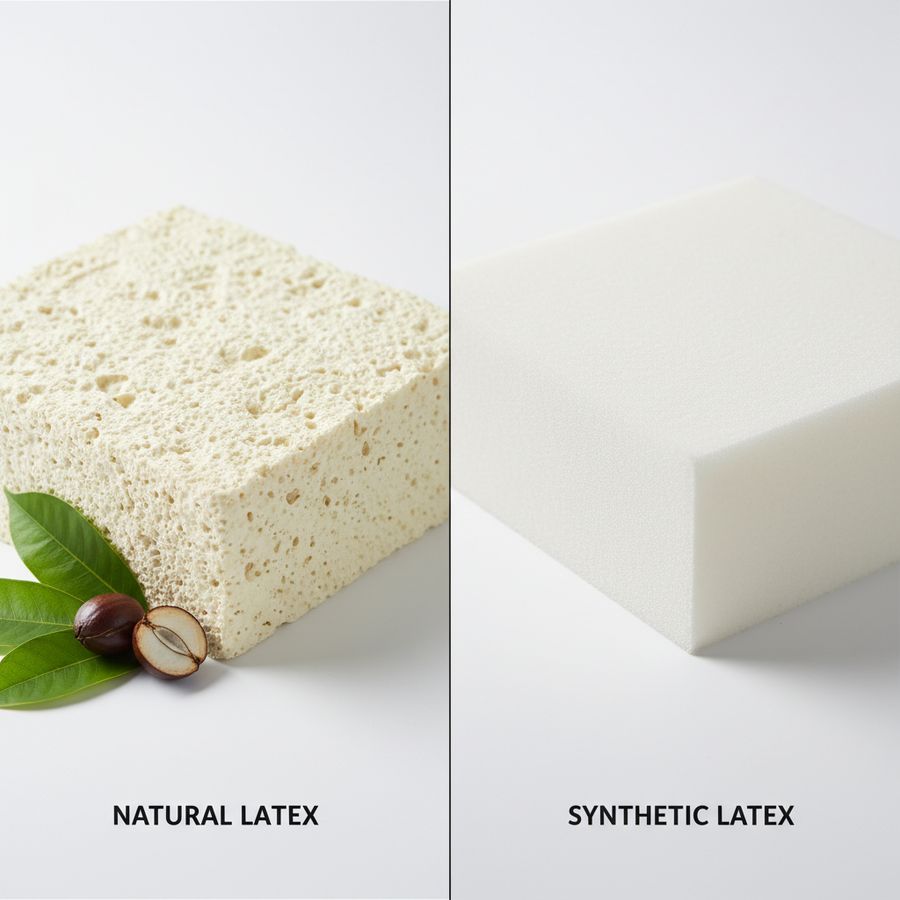
Understanding the difference between natural latex and synthetic latex is key when selecting a natural latex mattress that supports your health. Natural latex is harvested from rubber trees and processed with minimal chemicals, offering a resilient, breathable, and hypoallergenic sleep surface. Synthetic latex, on the other hand, is petroleum-based and often contains additives that may release VOCs and irritants.
Key differences include:
- Composition: Natural latex is entirely plant-based; synthetic latex is chemically produced.
- Environmental impact: Natural latex is biodegradable and renewable, while synthetic latex relies on fossil fuels.
- Hypoallergenic properties: Natural latex resists dust mites and mold better than synthetic variants.
- Durability: Natural latex tends to be more durable and maintains shape longer.
Choosing a natural latex mattress enhances comfort and supports a chemical-free, allergy-resistant bedroom. It’s important to verify the mattress’s latex content and certifications to ensure authenticity and safety.
Hypoallergenic Covers and Anti-Microbial Treatments
To complement the benefits of a chemical-free mattress, using a hypoallergenic mattress cover with anti-microbial treatments can further enhance your sleep environment. These covers are designed to block allergens like dust mites, pet dander, and mold spores, which commonly trigger allergic reactions and asthma.
Hypoallergenic covers often feature:
- Breathable natural fabrics: Such as organic cotton or bamboo, promoting airflow and moisture control.
- Anti-microbial treatments: Specialized coatings reduce bacterial and fungal growth without harsh chemicals.
- Dust mite barriers: Tight weaves that prevent allergen penetration.
Incorporating these covers into your mattress setup reduces irritants and prolongs mattress hygiene. This approach aligns perfectly with maintaining a healthy sleep environment that minimizes exposure to allergens and harmful microorganisms.
Creating a Healthier Sleep Environment At Home
Beyond mattress selection, cultivating a healthy sleep environment involves several lifestyle and home care practices. A bedroom free from pollutants, dust, and excess moisture improves sleep quality and respiratory health. Consider these tips to enhance your bedroom atmosphere:
- Regular cleaning: Vacuum and dust frequently to reduce allergens.
- Humidity control: Use a dehumidifier or air purifier to maintain optimal moisture levels.
- Natural bedding: Choose organic sheets and pillows to avoid synthetic chemicals.
- Limit indoor pollutants: Avoid smoking and reduce chemical cleaners in the bedroom.
“A combination of a chemical-free mattress and a clean, allergen-controlled bedroom is the foundation of truly restorative sleep.”By integrating these habits, you maximize the benefits of your mattress and enjoy a safer, more comfortable nightly rest.
What to Ask Before Buying a New Mattress
When shopping for a chemical-free mattress, it’s crucial to ask the right questions to ensure you’re investing in a product that supports your health and comfort. Key inquiries include:
- What materials are used? Confirm if the mattress contains natural latex, organic fabrics, or low-VOC foams.
- Are there any chemical flame retardants? Seek mattresses that meet fire safety without harmful chemicals.
- Is the mattress certified? Look for certifications like CertiPUR-US, OEKO-TEX, or GOLS (Global Organic Latex Standard).
- What is the mattress’s hypoallergenic rating? Ensure it effectively resists allergens and microbes.
- Does the mattress come with a hypoallergenic cover? This adds an extra layer of protection against irritants.
Asking these questions helps you confidently select a mattress that aligns with your health priorities and ensures a lasting, comfortable investment in your sleep quality.
Conclusion
Choosing a chemical-free mattress is a proactive way to improve your bedroom’s air quality and promote a healthier, more restful sleep. By understanding the risks associated with common mattress chemicals and opting for natural, low-VOC materials like natural latex, you create a safer sleeping environment for you and your family. Incorporating hypoallergenic covers and maintaining a clean bedroom further enhances this effect, ensuring your mattress supports both comfort and well-being.
At Carter & Lewis, our handcrafted mattresses combine traditional craftsmanship with modern innovations to provide premium, chemical-conscious sleep solutions. Investing in such quality sleep products helps you wake refreshed and nurtured, night after night, without compromising your health.
“Sleep deeply, breathe easier, and embrace the benefits of a truly chemical-free mattress for your ultimate wellbeing.”