

Back Pain Relief Starts with Better Mattress Support
When people search for a back pain mattress , they often focus only on whether it feels soft or firm. In reality,...
29 Aug 2026 · 8 min read Read →

 Visit our ShowroomHolme Street, Liversedge WF15 6JB · Tel. 0743 8105145Plan your visit →
Understanding mattress lifespans helps you make smarter purchasing decisions and recognise when replacement is necessary for optimal sleep health.
• Mattress lifespan varies dramatically by type: latex lasts 10-20 years, memory foam 8-15 years, whilst budget innerspring only manages 3-5 years
• Replace your mattress if you notice visible sagging over 2 inches, wake with aches, or experience increased allergies and breathing issues
• Proper maintenance extends lifespan significantly: use waterproof protectors, rotate quarterly, vacuum regularly, and ensure proper foundation support
• Higher-quality materials justify the investment: high-density foams and premium construction offer better durability and long-term value despite higher upfront costs
• Follow the 8-year replacement rule as a safety guideline, even if your mattress appears fine, as materials degrade and harbour allergens over time
The key to maximising your mattress investment lies in choosing quality materials suited to your sleep needs, maintaining them properly, and recognising replacement signals before they impact your health and sleep quality

Ever wondered about your mattress's lifespan? Most UK mattresses show signs of wear and tear after just 6-8 years.
Your average mattress lasts 7-8 years, but the actual lifespan depends on its type. Budget foam mattresses might start sagging in 3 years. High-quality latex mattresses keep you comfortable for 10-12 years. Pure latex mattresses stand out with an impressive 15-20 year lifespan.
The right mattress choice makes a huge difference to longevity. Basic innerspring mattresses only last 2-5 years. Pocket sprung options give you 8-10 years of reliable comfort. Memory foam mattresses typically serve well for 8-10 years, and premium models can last up to 15 years.
This piece explores every mattress type's expected lifespan based on UK standards. You'll learn to spot signs that your mattress needs replacing and get practical tips to extend its life. We'll help you decide if it's time for a new mattress or guide your next purchase decision.

Image Source: GhostBed® Canada
Let's look at how long each type of mattress should last. The lifespan changes by a lot based on materials, construction quality, and how well you take care of it.
Traditional innerspring mattresses don't last as long as other types, with a lifespan of between 5-8 years. Metal coils inside these mattresses get weak and change shape over time. The foam or fabric layer covering the springs wears out faster than other mattress materials. Open coil mattresses last even less - just 3-5 years - which makes them better suited to children's beds or guest rooms. Better quality innerspring designs can last 8-10 years if you take good care of them.
Memory foam mattresses last by a lot longer, usually 8-10 years. Their durability depends on the foam's density and quality. High-quality, dense foam mattresses can give you great sleep for up to 15 years. You should look for foam density of at least 3.5 lbs/ft³ to get decent durability. Premium options with 5 lbs/ft³ or higher density will last much longer. The viscoelastic polyurethane foam loses its bounce over time. You'll know it's time for a new one when the mattress stops bouncing back to its original shape.
Latex mattresses are the most durable option you can find in the UK market. Natural latex mattresses typically last 10-12 years or more, and many sources say they can go for 12-15 years. Some top-quality 100% natural latex mattresses stay comfortable for up to 20 years. This amazing durability comes from latex's natural bounce and stretch, which helps it keep its shape and support longer. On top of that, natural latex resists moisture and dust mites, so it doesn't break down as quickly as other materials.
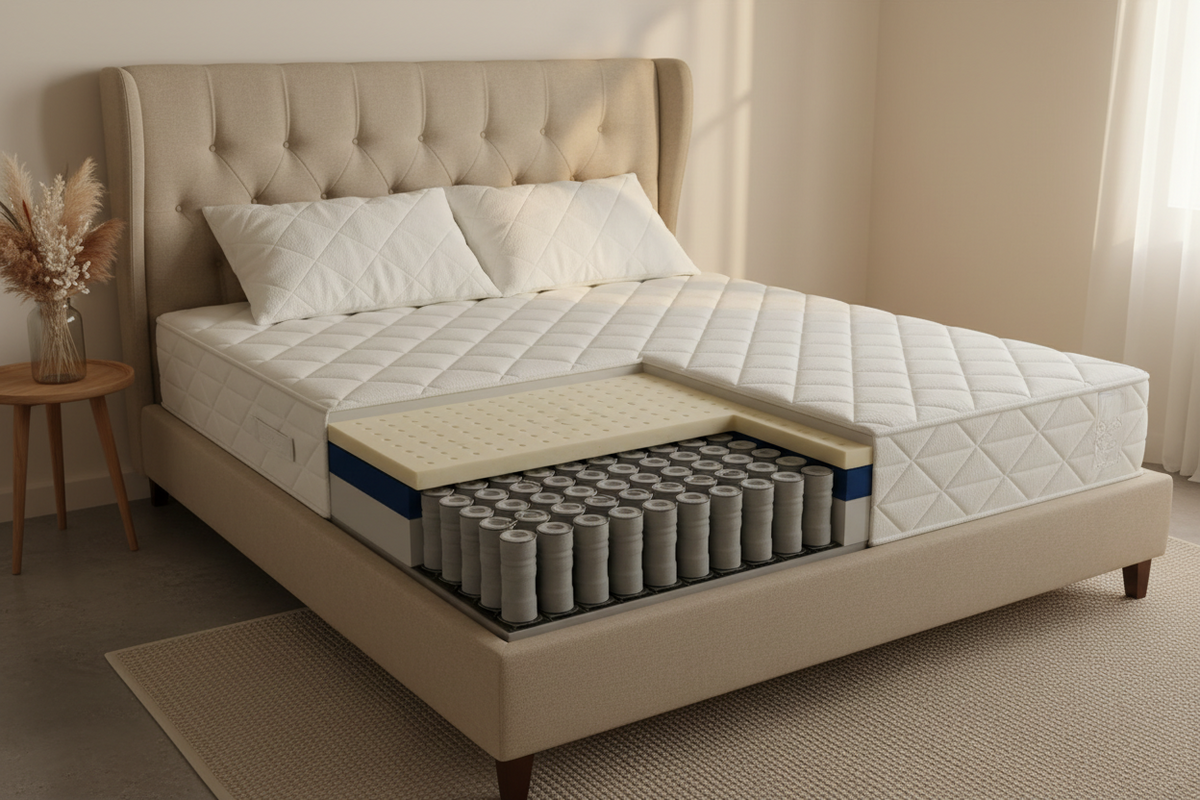
Hybrid mattresses mix coil support systems with foam comfort layers to give you both comfort and durability. Most hybrid mattresses last 7-10 years, though better quality ones from good brands can last even longer. A hybrid's lifespan depends on both the coil system's quality and the foam layers' density. Hybrids with pocket springs support better without sagging, and those with latex comfort layers last longer than regular memory foam hybrids.
A pocket sprung mattress lasts 8-10 years with proper care. Unlike open coil designs, these mattresses have springs in individual pockets that work on their own, giving you custom support that wears more evenly. The mattress's durability depends on spring gauge, thickness, and cover material quality. Better quality pocket sprung mattresses from trusted brands last longer, especially if you rotate them regularly and use the right bed frame. These mattresses outlast traditional open coil options that only make it 3-5 years.
Quality mattresses don't last forever. You should know the warning signs to avoid poor sleep and health problems. Here are five signs that tell you it's time to get a new mattress.
Your mattress might show clear signs of failing support through visible dips or indentations. For innerspring mattresses, impressions deeper than 1 inch (2.5cm) spell trouble, while memory foam shouldn't have dips more than 3/4 inch. A mattress with sagging greater than 2 inches needs replacement right away.
Body impressions should bounce back when you get out of bed. Deep marks that stay visible suggest the materials inside have lost their resilience. You should look for sagging each time you change your sheets.
Your mattress might not support you properly if you wake up with discomfort that gets better during the day. An ageing mattress can hurt your neck, shoulders, lower back, and hips because it fails to support your spine's natural curve.
This creates a clear pattern. Your body tries to make up for bad support if the stiffness goes away after you move around. Mattresses that don't provide the right firmness create pressure points that throw your spine out of line and lead to morning pain. Sleep quality often gets worse slowly, starting with mild aches or stiffness.
Old mattresses become a breeding ground for allergens. A mattress that's seven years old can contain over 16 million bacteria. Dust mites leave behind waste that triggers allergies and asthma, which affects breathing during sleep.
Your mattress might be causing problems if you feel chest tightness when you wake up or struggle to breathe at night. Research shows that allergies wake up 74% of sufferers during the night, and more than 90% have trouble sleeping because of their symptoms. These issues often get worse in bed and improve when you sleep somewhere else.
Squeaks, creaks, or noise when you move point to internal breakdown. Older spring mattresses make distinct sounds when you put pressure on worn-out springs.
Squeaky springs tell you the coils no longer give proper support. This noise means more than just an annoyance—your bed tells you something's wrong, usually that springs are tired or internal parts are breaking down.
Most experts say you should replace your mattress every 6-8 years, with 8 years as the sweet spot for most people. Support levels drop significantly by this time, which affects how you sleep and feel.
The explanation is simple. Mattresses break down while you sleep. Springs lose tension, foam gets compressed, and materials collect allergens from dust and sweat. Your mattress might look fine after 8 years, but this is a big deal as it means that it has become perfect for dust mites, mould, and bacteria.
Ready to improve your sleep quality? Shop your next mattress now. Visit https://www.carterandlewis.co.uk/collections/all to find options that will support your sleep needs for years to come.
Your mattress can last anywhere from 3 to 15 years. Several key factors determine its lifespan. Learning about these elements will help you pick a durable mattress and take care of it properly.
The quality of materials makes the biggest difference in how long your mattress lasts. High-density foams and premium materials associate with a longer lifespan. Cheaper materials compress faster and lose their support and comfort quickly. Natural materials like latex usually last longer than synthetic ones and keep their structure better over time. On top of that, the overall build quality—including stitching, edge support, and internal structure—plays a vital role in how well your mattress handles years of use.
Your weight naturally affects how much the mattress compresses. A mattress supporting someone who weighs 11 stone might wear out faster with an 18-stone person. The way you sleep matters too. Side sleepers put more pressure on their shoulders and hips, which can create uneven wear. Back and stomach sleepers spread their weight more evenly but face different pressure points. This becomes especially important when couples with big weight differences need to choose a long-lasting mattress.
Your main bedroom's mattress takes more stress than one in a guest room. Daily use speeds up natural compression and wear, while occasional use gives materials time to recover. This is a big deal as it means that even quality mattresses in frequently used rooms might need replacing sooner than those in spare rooms. Extra time in bed—whether you're relaxing, working, or recovering—puts more stress on materials and speeds up breakdown.
Your bed base can make or break your mattress's lifespan. A damaged base will make even the best mattress wear out too soon. Good support helps the mattress keep its shape and prevents sagging. Using the wrong foundation might void your warranty. Old divan bases might not handle modern mattresses well, which can weigh between 25-80kg based on size.
Good maintenance will make your mattress last longer:
Your room's environment plays a big role in your mattress's life. Ideal room humidity should stay between 40-60%. High humidity creates moisture inside mattress materials, letting mould, bacteria, and dust mites grow. This moisture can break down your mattress's structure over time. A dehumidifier and good airflow help control moisture levels and extend mattress life. Steady room temperatures prevent material breakdown that happens with big temperature changes.

Image Source: GharPedia
Want your mattress to last longer than 7-8 years? These simple maintenance steps will help you get the most from your investment and sleep better.
A mattress protector serves as a vital barrier against spills, stains, and allergens. Waterproof protectors keep your mattress safe from moisture damage and help it last longer. People with allergies will find that protectors work well against dust mites. You should buy a quality protector that's machine washable and clean it every 1-2 weeks to maintain good hygiene. Without doubt, waterproof options work best for homes with children or pets.
Your mattress needs rotation every three months to avoid uneven wear. This easy habit helps spread fillings evenly and stops early sagging. The original three months of ownership are key - make sure to rotate from head to foot (180 degrees). After that, stick to rotating every three months throughout your mattress's life. Couples with big weight differences should rotate their mattress more often.
A clean mattress prevents allergen buildup that can make it wear out faster. You should vacuum your mattress every 3-6 months to get rid of dust and skin cells. Deep cleaning twice a year kills bacteria and keeps everything fresh. Steam cleaning works great to remove stains and eliminate dust mites.
Your mattress needs the right base or it will wear out too soon - even expensive ones. The foundation must support weight evenly and prevent sagging. A strong bed base helps your mattress last longer by spreading weight properly. Make sure slats are no more than 9cm apart to stop dipping. The wrong base might void your warranty, so choose carefully.
Smart choices can extend your new mattress's life by a lot. Here's how to make your mattress last longer.
A quality mattress deserves the extra money. Premium options use better materials and construction that provide improved durability and consistent support over time. A mattress is a vital investment in your health and comfort since you use it 6-8 hours every day. The higher original cost of better mattresses pays off through their extended lifespan.
Your sleep style should determine your mattress type. Soft to medium mattresses help side sleepers by taking pressure off their hips. Medium firmness works best for back sleepers who need proper support. Stomach sleepers need firm surfaces to keep their spine aligned. Hybrid mattresses give couples with different priorities balanced support that works for both.
Most quality mattresses include 10-year warranties that show the manufacturer's trust in their product. The terms usually cover manufacturing defects but not regular wear and tear. You could lose coverage by using the wrong bed frame or removing mattress tags. Many warranties only apply if sagging exceeds certain measurements.
Your mattress will last longer if it uses dense materials. High-density foams (55kg/m³ and above) last twice as long as less dense options. These materials prevent sagging and spread weight evenly. Shop your next mattress now. Visit https://www.carterandlewis.co.uk/collections/all where quality construction ensures years of comfortable sleep.
Knowing how long a mattress should last will help you make smarter buying decisions and take better care of your sleep surface. Without doubt, your mattress's lifespan varies by a lot based on its type. Latex options can last up to 20 years, while budget innerspring models might need replacement after just 3-5 years.
Your mattress needs regular checks to spot warning signs early. Warning signs include visible sagging, morning aches, increased allergies, and unusual noises. The 8-year rule serves as a reliable guideline when other signs aren't clear.
Your mattress's maximum lifespan depends on several things. Quality materials, proper support, good maintenance, and the right environment all play vital roles in making it last longer. Your body weight and sleeping position also affect how fast materials compress and wear down.
A few simple steps can extend your mattress life well beyond what manufacturers expect. Use a quality mattress protector and rotate your mattress regularly. Keep it clean and ensure it has proper support. These easy habits need little effort but make a big difference in comfort and longevity.
Before you buy your next mattress, think over the balance between original cost and expected lifespan. Premium mattresses are a better value over time despite higher upfront costs. Look at your mattress as a long-term investment rather than a temporary purchase to find options that provide years of restful sleep.
Note that a good mattress is the life-blood of healthy sleep habits when properly maintained and replaced at the right time. We spend about a third of our lives in bed, which makes choosing the right mattress one of your most important wellness decisions.
Q1. How often should I replace my mattress in the UK? On average, you should replace your mattress every 7-8 years. However, this can vary depending on the type of mattress. For instance, latex mattresses can last up to 15 years, while innerspring mattresses may need replacing after 5-8 years.
Q2. What signs indicate that I need a new mattress? Key signs include visible sagging or body impressions, waking up with aches and pains, increased allergies or breathing issues, and noisy springs or creaking sounds. If your mattress is over 8 years old, it's generally time to consider a replacement.
Q3. Can a high-quality mattress last longer than average? Yes, high-quality mattresses, especially those made with durable materials like latex or high-density memory foam, can last significantly longer. Some premium mattresses can provide comfortable sleep for up to 12-15 years with proper care and maintenance.
Q4. How can I extend the lifespan of my mattress? To extend your mattress's life, use a mattress protector, rotate it regularly, keep it clean, and ensure it has proper support. Also, maintain an ideal room environment with humidity levels between 40-60% to prevent moisture damage.
Q5. Is it worth investing in a more expensive mattress for longevity? Generally, yes. Higher-priced mattresses often feature superior materials and construction, offering better durability and maintaining support for longer. While they require a larger initial investment, they can provide better value over time through extended durability and improved sleep quality.
When people search for a back pain mattress , they often focus only on whether it feels soft or firm. In reality,...
29 Aug 2026 · 8 min read Read →
Five-zone mattress support has emerged as a popular innovation in the quest for better sleep quality and enhanced orthopaedic support. Unlike traditional...
27 May 2026 · 6 min read Read →
Finding the perfect cooling mattress materials is essential for a comfortable night’s sleep, especially if you tend to overheat during the night....
27 May 2026 · 5 min read Read →
Answer a few quick questions and we'll match you — or come and try every firmness at our Liversedge showroom.

