


Hypoallergenic Mattress Guide: Allergies, Dust Mites & Care
Overview
Understanding the importance of a hypoallergenic mattress is essential for individuals suffering from allergies, asthma, or sensitivities to common bedroom irritants. A mattress can be a hidden source of allergens like dust mites, mold, pet dander, and bacteria, which can significantly affect sleep quality and respiratory health. Investing in a mattress for allergies not only enhances your comfort but also contributes to a healthier sleeping environment.
Hypoallergenic mattresses are designed specifically to minimize exposure to allergens and create a clean, safe space for rest. These mattresses often incorporate materials and treatments that resist dust mites and microbes, two primary culprits in triggering allergic reactions and asthma symptoms.
Why focus on dust mites? Dust mites are microscopic creatures that thrive in warm, humid environments and feed on dead skin cells found in bedding. Their feces and body fragments are potent allergens that can provoke sneezing, congestion, wheezing, and eczema flare-ups. Because mattresses provide an ideal habitat for dust mites, selecting one with hypoallergenic properties can drastically reduce allergen buildup.
Moreover, a mattress that supports asthma-friendly qualities helps those with respiratory conditions breathe easier at night, reducing the frequency and severity of asthma attacks. When combined with proper mattress care and maintenance, a hypoallergenic mattress can be a cornerstone in managing allergy and asthma symptoms effectively.
In this guide, we will explore:
What makes a mattress hypoallergenic
Effective dust mite prevention through materials and covers
The role of anti-microbial treatments
The best mattress options for asthma and allergy sufferers
How to clean and maintain your mattress for optimal health
When to replace your mattress to avoid allergy triggers
Choosing the right mattress is an investment in your long-term health and sleep quality. By understanding these factors, you can make an informed decision that leads to better rest and fewer allergy-related issues.
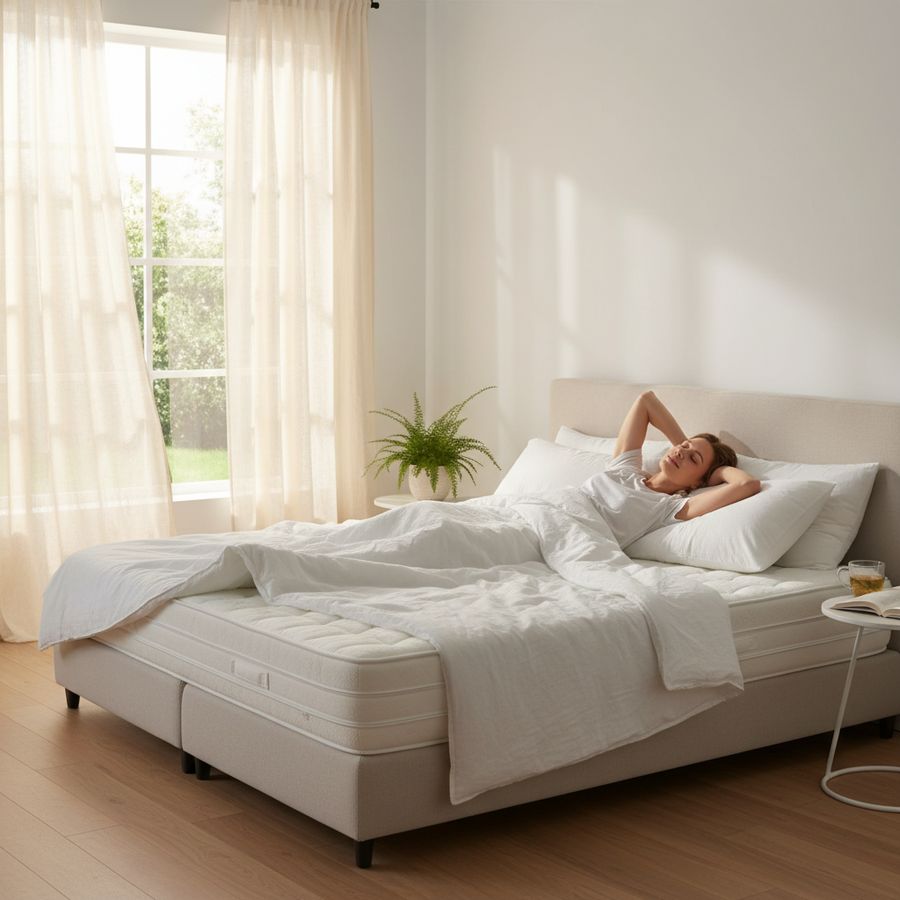
What Makes a Mattress Hypoallergenic
A hypoallergenic mattress is engineered to resist common allergens that can trigger allergic reactions and respiratory issues. This starts with the choice of materials, construction, and finishes that collectively reduce allergen accumulation. Key factors include:
Natural vs. Synthetic Materials: Natural fillings like wool, cotton, and latex are often preferred because they naturally repel dust mites and inhibit microbial growth. Synthetic materials can sometimes trap moisture and allergens if not properly treated.
Breathability and Moisture Control: Hypoallergenic mattresses are designed to promote airflow, reducing humidity levels that attract dust mites and mold.
Dense, Tight Weaves in Covers: Mattress covers with high thread counts and tight weaves prevent dust mites and allergens from penetrating and accumulating inside the mattress.
Anti-Microbial and Anti-Allergen Treatments: Specialized treatments can be applied to fabrics and foams to inhibit bacterial, fungal, and dust mite growth, enhancing the mattress’s allergy-fighting properties.
Besides material choices, the construction of the mattress plays a pivotal role. For example, mattresses with open coil springs may harbor more allergens compared to those with memory foam or natural latex due to the difference in airflow and dust mite habitat suitability.
Hypoallergenic mattresses often incorporate: memory foam, latex, or natural fibers like cashmere and wool, which are naturally resistant to dust mites and mold. These materials also provide a comfortable sleep surface that supports proper spinal alignment and pressure relief.
When selecting a mattress for allergies, look for certifications such as OEKO-TEX or CertiPUR-US, which ensure the absence of harmful substances and confirm that the mattress is manufactured with allergen-resistant properties.
“A mattress’s ability to reduce allergen exposure is crucial in promoting restful sleep and reducing asthma and allergy symptoms.”
Ultimately, a hypoallergenic mattress is not just about comfort but also about creating a healthier sleep environment that supports overall well-being.
Dust Mite Prevention: Materials and Covers
Preventing dust mite infestation is one of the most critical aspects of managing allergies in the bedroom. Dust mites thrive in warm, humid environments and feed on dead skin cells, making mattresses and bedding perfect habitats. Therefore, choosing the right materials and mattress covers can significantly reduce dust mite presence.
Materials such as natural latex, wool, and tightly woven cotton are excellent choices for dust mite prevention. These materials are naturally resistant to dust mites due to their moisture-wicking and breathable properties, which reduce the humidity dust mites need to survive.
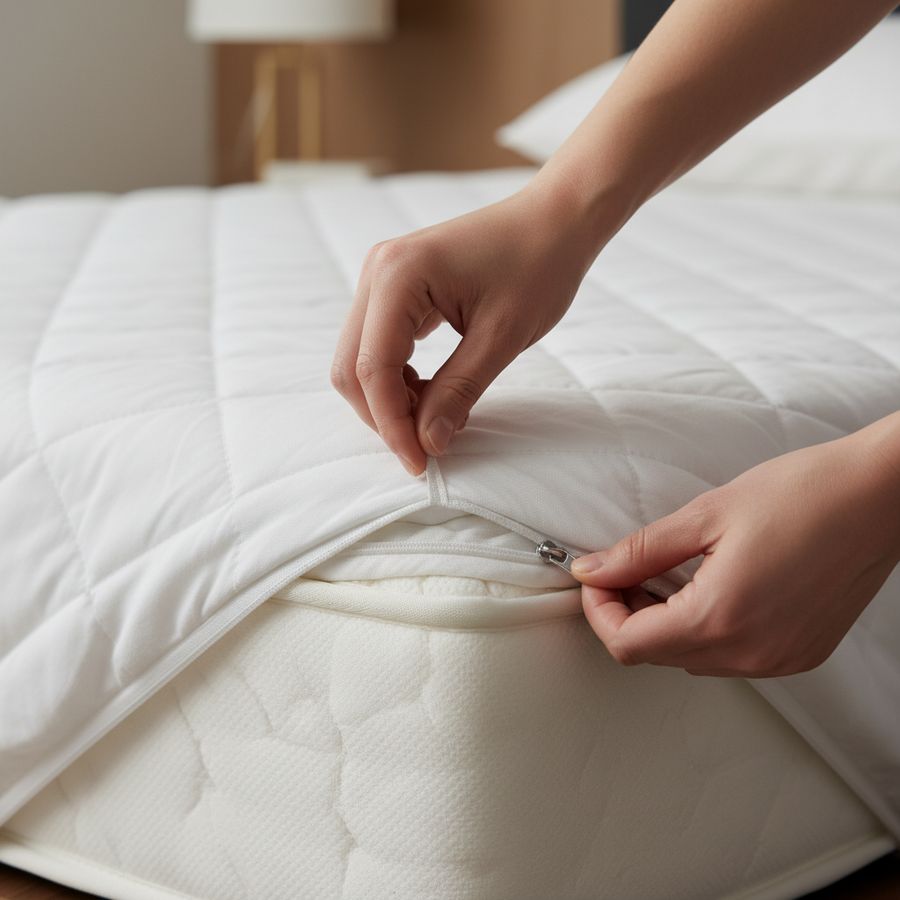
Mattress covers play a pivotal role: Hypoallergenic mattress covers are designed to encase the mattress completely, preventing dust mites from entering or escaping. These covers are made from fabrics with a tight weave that acts as a physical barrier against allergens.
Encasement Covers: These zippered covers fully encase the mattress, blocking dust mites and allergens from colonizing inside. They are washable, making regular cleaning easy.
Breathable Fabrics: Covers constructed from breathable yet dense materials help maintain airflow while keeping allergens at bay, maintaining a comfortable sleep temperature.
Anti-Allergen Treatments: Some covers are treated with antimicrobial or anti-dust mite agents that enhance protection.
It’s equally important to maintain low humidity levels in the bedroom, ideally below 50%, as dust mites flourish in moist environments. Using air purifiers and regularly washing bedding in hot water can further reduce dust mite populations.
“A combination of hypoallergenic materials and protective mattress covers significantly lowers dust mite populations, creating a healthier sleep environment.”
Investing in a quality mattress cover designed specifically for dust mite prevention complements a hypoallergenic mattress perfectly, providing peace of mind for allergy sufferers.
Anti-Microbial Treatments and What They Do
Anti-microbial treatments are specialized finishes applied to mattress fabrics and materials to prevent the growth of bacteria, fungi, mold, and dust mites. These invisible barriers enhance the mattress’s ability to remain clean and hygienic, which is especially important for allergy and asthma sufferers.
These treatments work by either repelling or killing microorganisms on contact, thereby reducing the buildup of allergens that can accumulate over time in a mattress. With the right anti-microbial technology, mattresses remain fresher longer and require less intensive cleaning.
Common benefits of anti-microbial treatments include:
Reduction of Dust Mites: Since dust mites feed on microbes and organic matter, reducing microbial presence limits their food source.
Prevention of Mold and Mildew: These fungi thrive in damp environments and can worsen respiratory issues; anti-microbial treatments inhibit their growth.
Odor Control: By preventing bacterial growth, these treatments also help minimize unpleasant odors caused by sweat and skin oils.
At Carter & Lewis, mattresses feature proprietary anti-microbial technology integrated into hypoallergenic covers, combining heritage craftsmanship with modern science to create a healthier sleep surface. This advanced treatment ensures that your mattress remains a safe haven for restful, allergy-free sleep.
“Anti-microbial treatments are a vital component of asthma friendly mattresses, offering enhanced protection against allergens and irritants.”
When shopping for a mattress for allergies, look for those that explicitly mention anti-microbial features to ensure you are investing in a product designed to support your respiratory health.
Best Mattress for Asthma and Allergies
Selecting the best mattress for asthma and allergies involves considering materials, construction, and treatments that minimize allergen exposure and promote respiratory health. Mattresses made from natural latex or high-quality memory foam are excellent choices because they resist dust mites and do not harbor moisture as easily as traditional spring mattresses.
Carter & Lewis offers a range of luxury mattresses crafted with these principles in mind. For example, the Memory Collection Mattress combines advanced orthopedic support with hypoallergenic materials and an anti-microbial treated cover, making it ideal for allergy sufferers. Similarly, their Natural Comfort Mattress uses natural fillings like wool and cotton, known for their breathability and allergen-resistant qualities.
Key features to look for in an asthma friendly mattress include:
Hypoallergenic Covers: To prevent dust mite penetration and allergen buildup.
Breathable, Moisture-Wicking Materials: To reduce humidity and mold risk.
Anti-Microbial Treatments: To inhibit bacteria and fungi growth.
Supportive Structure: To promote spinal alignment and reduce pressure points, improving overall sleep quality.
Mattresses like the HyCare Ortho Mattress also provide targeted orthopedic support while featuring anti-microbial finishes, offering both comfort and health benefits.
Ultimately, the best mattress for allergies balances comfort, support, and protective features. It is also important to combine your mattress choice with proper bedding and bedroom hygiene to create a comprehensive allergy management strategy.
“A mattress designed with hypoallergenic and anti-microbial features is a crucial investment for those managing asthma and allergies.”
How to Clean and Maintain a Healthier Bed
Maintaining a hypoallergenic mattress involves regular cleaning and care practices that minimize allergens and extend the mattress’s lifespan. Even the best mattress for allergies can accumulate dust mites, skin cells, and microbes without proper upkeep.
Follow these essential steps to keep your bed healthier:
Use a Mattress Encasement: A zippered, hypoallergenic mattress cover acts as a barrier against dust mites and allergens and should be washed regularly.
Regular Washing of Bedding: Sheets, pillowcases, and blankets should be washed weekly in hot water (at least 60°C) to kill dust mites and remove allergens.
Vacuum the Mattress: Use a vacuum cleaner with a HEPA filter monthly to remove dust and debris from the mattress surface.
Air Out Your Mattress: Whenever possible, expose your mattress to fresh air and sunlight to reduce moisture and discourage microbial growth.
Control Bedroom Humidity: Maintain humidity levels below 50% using dehumidifiers or air conditioning to create an inhospitable environment for dust mites and mold.
Additionally, avoid eating in bed or allowing pets on the mattress, as these habits increase allergen exposure. If your mattress has stains or spills, clean them promptly with gentle, non-toxic cleaners that do not saturate the mattress.
Consistent maintenance not only supports allergy management but also preserves the mattress’s comfort and support features.
“A clean mattress environment is key to reducing allergens and promoting a restful, healthful sleep experience.”
When to Replace an Allergy-Triggering Mattress
Even the most well-maintained mattress will eventually need to be replaced, especially when it becomes a source of allergy triggers. Over time, mattresses accumulate dust mites, allergens, and microbes that can exacerbate asthma and allergy symptoms.
Signs it’s time to replace your mattress include:
Persistent Allergy Symptoms: Increased sneezing, congestion, or asthma attacks upon waking, despite cleaning efforts.
Visible Wear and Tear: Sagging, lumps, or tears that harbor dust and microbes.
Odors That Don’t Fade: Lingering musty or unpleasant smells indicating mold or bacteria growth.
Age of the Mattress: Generally, mattresses should be replaced every 7-10 years, but allergy sufferers may benefit from earlier replacement.
Choosing a new hypoallergenic mattress, such as those offered by Carter & Lewis, ensures you benefit from the latest advancements in materials, anti-microbial treatments, and craftsmanship. Investing in a high-quality asthma friendly mattress can dramatically improve your sleep environment and overall health.
Remember: Alongside mattress replacement, updating pillows and bedding to hypoallergenic options completes the sleep setup for allergy relief.
“Replacing an allergy-triggering mattress is a vital step toward reclaiming healthy, restorative sleep.”
Conclusion
Choosing and maintaining a hypoallergenic mattress is a foundational step in managing allergies and asthma for a healthier, more restful sleep. By understanding what makes a mattress hypoallergenic—ranging from materials to anti-microbial treatments—you can select a mattress that minimizes exposure to dust mites and other allergens.
Materials like natural latex, wool, and memory foam, paired with breathable, tightly woven covers and anti-microbial finishes, establish an ideal sleeping environment. Additionally, regular cleaning, humidity control, and prompt mattress replacement can significantly minimize allergy triggers. For more tips on creating a healthier sleep space, visit Carter and Lewis.
Carter & Lewis offers a range of expertly crafted mattresses designed with these principles in mind. Their dedication to combining traditional craftsmanship with modern innovations results in premium mattresses that are both luxurious and allergy-friendly.
Investing in the right mattress is more than comfort—it’s a commitment to your long-term health and well-being.
“A hypoallergenic mattress is your best defense against allergens, dust mites, and asthma triggers for night after night of peaceful, healthy sleep.”