


Hypoallergenic Mattresses: Reducing Dust Mites At Home
Overview
Hypoallergenic mattresses have become an essential consideration for individuals seeking a healthier and more comfortable sleep environment. These mattresses are specifically designed to reduce the presence of allergens such as dust mites, mold, and pet dander, which are common triggers for allergy sufferers. Dust mites, in particular, thrive in bedding and mattresses, making the choice of mattress a critical factor in managing allergy symptoms at home.
At Carter & Lewis, we understand the importance of combining traditional craftsmanship with modern innovations to create mattresses that not only provide superior comfort but also contribute to a cleaner, allergen-reduced sleeping space. Our range of mattresses incorporates natural and sustainable materials alongside advanced anti-microbial treatments to promote a hypoallergenic environment.
Managing dust mites and other allergens in your bedroom is key to improving indoor air quality and reducing allergy flare-ups. A hypoallergenic mattress plays a pivotal role by limiting the accumulation of these allergens and providing a barrier against them. This leads to better sleep quality, less irritation, and a healthier home atmosphere for allergy-prone individuals.
In this article, we will explore what makes a mattress hypoallergenic, the causes and symptoms of dust mite allergies, effective prevention strategies, and how to select the best mattress covers and materials for allergy protection. We will also share practical cleaning routines and guidance on when to replace an allergy mattress to maintain your wellbeing.
“Choosing the right hypoallergenic mattress is an investment in your health, helping to reduce dust mites and allergens for a truly restful sleep.”
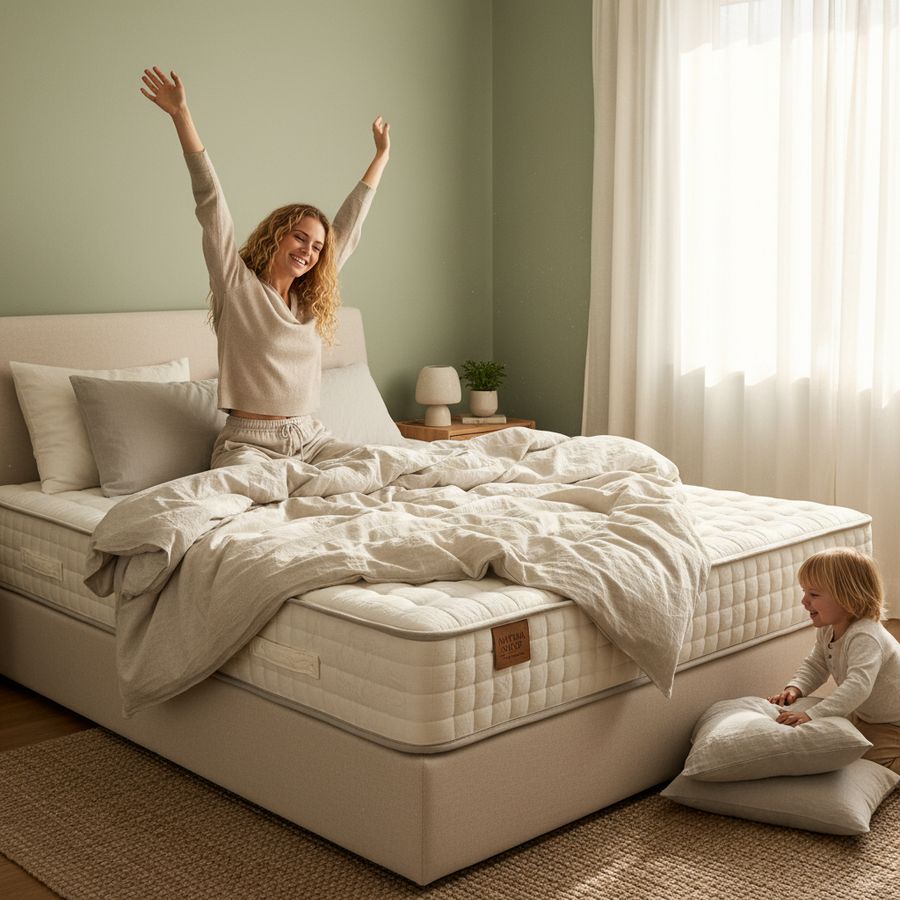
What Makes a Mattress Hypoallergenic
A mattress is considered hypoallergenic when it is designed to resist or limit the accumulation of common allergens such as dust mites, mold spores, and bacteria. These mattresses often combine specific materials and construction techniques that make them less hospitable to allergens, thereby reducing allergic reactions for sensitive sleepers.
Key features that contribute to a mattress’s hypoallergenic properties include:
- Anti-microbial covers: Mattresses with anti-microbial or anti-bacterial fabric treatments inhibit the growth of microbes and dust mites, creating a healthier sleep surface.
- Breathable materials: Natural fibers like wool, cotton, and cashmere are highly breathable and moisture-wicking, which prevents the damp environments dust mites thrive in.
- Dense fabric weaves and barriers: High-quality mattress protectors and covers with tight weaves serve as physical barriers that prevent dust mites and allergens from penetrating the mattress core.
- Natural and sustainable fillings: Organic or natural fillings such as latex, wool, or cotton tend to be less allergenic compared to synthetic foams which can trap heat and moisture.
At Carter & Lewis, our mattresses often feature proprietary anti-microbial covers that combine traditional craftsmanship with modern technology, ensuring a clean and allergen-resistant sleep surface. This commitment not only enhances comfort but also helps allergy sufferers enjoy a more restful night free from irritation.
“Hypoallergenic mattresses are more than just comfort—they are a vital part of allergy management and overall bedroom hygiene.”
Dust Mites: Causes, Symptoms, Prevention
Dust mites are microscopic creatures that thrive in warm, humid environments, feeding primarily on the dead skin cells shed by humans and pets. They are a major contributor to indoor allergens and can trigger allergic reactions and asthma symptoms in sensitive individuals.
The primary causes of dust mite proliferation include:
- Warm, humid bedroom environments
- Accumulated dust in bedding, mattresses, and upholstered furniture
- High levels of moisture and poor ventilation
Common symptoms of dust mite allergies include sneezing, nasal congestion, itchy eyes, coughing, wheezing, and skin irritation. These symptoms often worsen during the night or early morning as exposure increases.
Effective prevention of dust mite infestation involves a combination of mattress choice, protective bedding, and regular cleaning habits:
- Use a hypoallergenic mattress or an allergy mattress designed to resist dust mites.
- Invest in a high-quality mattress protector that acts as a barrier to dust mites.
- Maintain low indoor humidity levels, ideally below 50%.
- Wash bedding weekly in hot water to kill dust mites and remove allergens.
- Vacuum and dust bedrooms regularly using a vacuum with a HEPA filter.
Following these steps diligently can significantly reduce dust mite populations and lessen allergy symptoms, improving overall sleep quality and health.
Best Mattress Covers for Allergy Protection
A critical component of maintaining a hypoallergenic sleep environment is the selection of an effective mattress protector or cover. These covers form a protective barrier that prevents dust mites, allergens, and fluids from penetrating the mattress core.
When choosing a mattress cover for allergy protection, consider the following features:
- Anti-microbial and hypoallergenic fabrics: Covers treated with anti-microbial technology inhibit microbial growth and reduce allergen accumulation.
- Tightly woven fabric: A dense weave prevents even the smallest dust mites from passing through.
- Waterproof or moisture-resistant layers: These features prevent moisture build-up, which discourages dust mite proliferation.
- Breathability: Covers should promote airflow to keep the mattress dry and comfortable.
- Easy maintenance: Machine washable covers that can be cleaned regularly without damage.
Our premium mattress protectors at Carter & Lewis combine these qualities, featuring proprietary anti-microbial covers that maintain hygiene and reduce allergens effectively. Using a mattress protector extends the life of your mattress while creating a safer sleep environment for allergy sufferers.
“A quality mattress protector is your first line of defense against dust mites and allergens.”
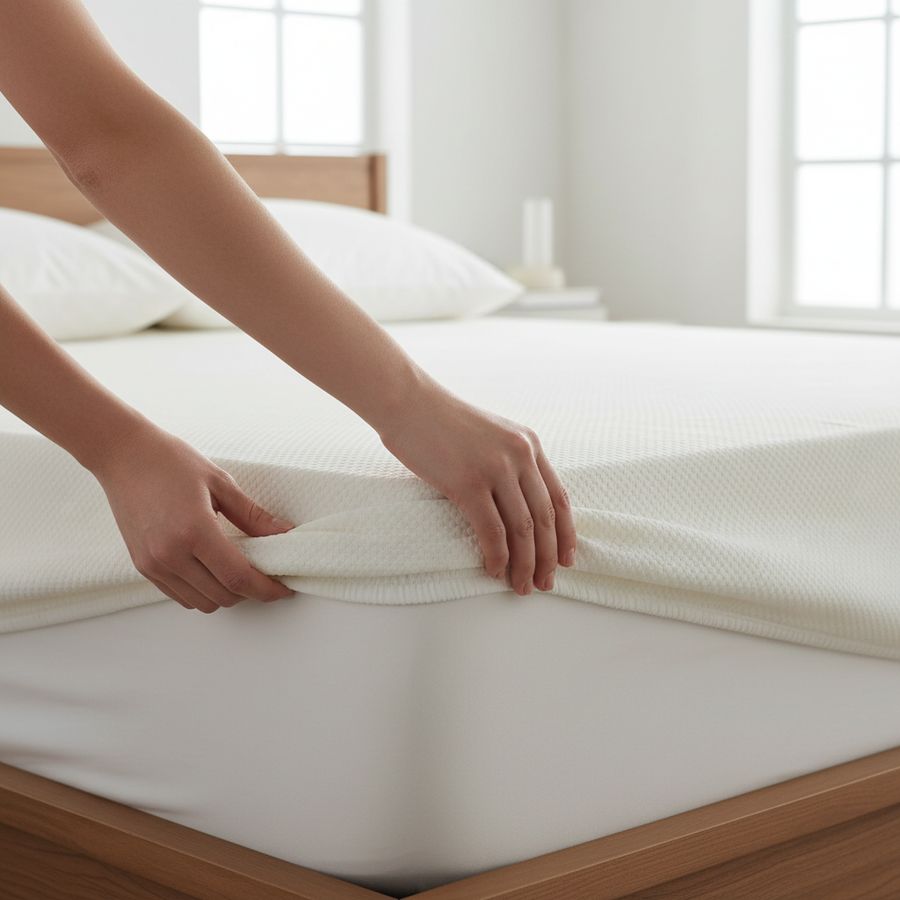
Breathable Materials That Help Reduce Allergens
The choice of mattress materials plays a vital role in allergen control. Breathable, natural materials help regulate temperature and wick away moisture, creating an inhospitable environment for dust mites and mold.
Some of the best materials for reducing allergens include:
- Natural latex: Naturally resistant to dust mites and mold, latex offers durability, breathability, and comfort.
- Wool: Wool is naturally hypoallergenic, moisture-wicking, and temperature regulating, making it ideal for mattress fillings and toppers.
- Organic cotton: Cotton is breathable and soft, helping to maintain a dry and allergen-free surface.
- Cashmere: A luxurious and breathable fiber that offers hypoallergenic benefits along with temperature regulation.
Carter & Lewis incorporates many of these natural, breathable materials in our handcrafted mattresses to ensure you enjoy not only exceptional comfort but also a healthier sleeping environment that reduces exposure to allergens.
Bedroom Cleaning Routine for Allergy Sufferers
An effective bedroom cleaning routine is essential to minimize dust mites and allergens, complementing the benefits of a hypoallergenic mattress. A clean environment helps control the sources of allergens and improves indoor air quality.
Recommended cleaning practices include:
- Wash bedding weekly: Use hot water (above 60°C) to kill dust mites and remove allergens from sheets, pillowcases, and blankets.
- Vacuum regularly: Use a vacuum cleaner with a HEPA filter to thoroughly clean carpets, rugs, mattresses, and upholstered furniture.
- Dust surfaces with a damp cloth: Avoid dry dusting which can stir up allergens into the air.
- Maintain humidity levels: Use a dehumidifier or air conditioner to keep indoor humidity below 50%.
- Air out the bedroom daily: Open windows when possible to allow fresh air circulation.
Additionally, removing clutter and minimizing upholstered furniture can reduce dust accumulation. Regularly airing and rotating your mattress also helps reduce allergen build-up over time.
When to Replace an Allergy-Prone Mattress
Even the best hypoallergenic mattress has a lifespan, and knowing when to replace it is crucial for maintaining a healthy sleep environment. Over time, mattresses accumulate dust mites, allergens, dead skin cells, and moisture, which can exacerbate allergy symptoms.
Signs that it may be time to replace your allergy mattress include:
- Increased allergy symptoms such as sneezing, congestion, or skin irritation upon waking.
- Visible signs of wear, sagging, or damage that reduce support and comfort.
- Persistent odors or moisture retention despite cleaning and protector use.
- Mattresses older than 7-10 years, as they tend to harbor more allergens and lose their protective properties.
Investing in a new hypoallergenic mattress, such as those handcrafted by Carter & Lewis with advanced anti-microbial covers and natural fillings, can dramatically improve your sleep quality and allergy management.
“Replacing your mattress at the right time is a vital step in protecting your health and ensuring a restful, allergen-free night.”
Conclusion
Choosing a hypoallergenic mattress is a proactive and effective way to reduce dust mites and other allergens in your home, significantly improving sleep quality and overall health. By understanding what makes a mattress hypoallergenic, adopting prevention strategies, and maintaining a consistent cleaning routine, allergy sufferers can create a comfortable and safe bedroom environment.
At Carter & Lewis, we are committed to crafting luxury mattresses that blend traditional Yorkshire craftsmanship with modern anti-microbial technology and natural, breathable materials. Our mattresses and mattress protectors provide a robust defense against dust mites and allergens, helping you wake up refreshed and allergy-free.
Invest in your health and comfort with a premium allergy mattress designed to nurture your wellbeing night after night. Remember, a cleaner, hypoallergenic sleep space is not just a luxury—it’s a necessity for allergy-prone individuals seeking restful, restorative sleep.