


Best Mattress for Hot Sleepers: Cooling Materials Guide
Overview
Finding the best mattress for hot sleepers can transform restless, sweaty nights into refreshing, comfortable rest. Many people struggle with overheating during sleep, which disrupts their natural temperature regulation and reduces sleep quality. This guide explores how cooling mattress materials can help maintain an optimal sleep climate, ensuring you wake up feeling revitalised.
Choosing a cooling mattress involves understanding various materials and technologies designed to dissipate heat and promote airflow. From natural fibres to innovative foams, the right mattress can make a significant difference for those who tend to sleep hot.
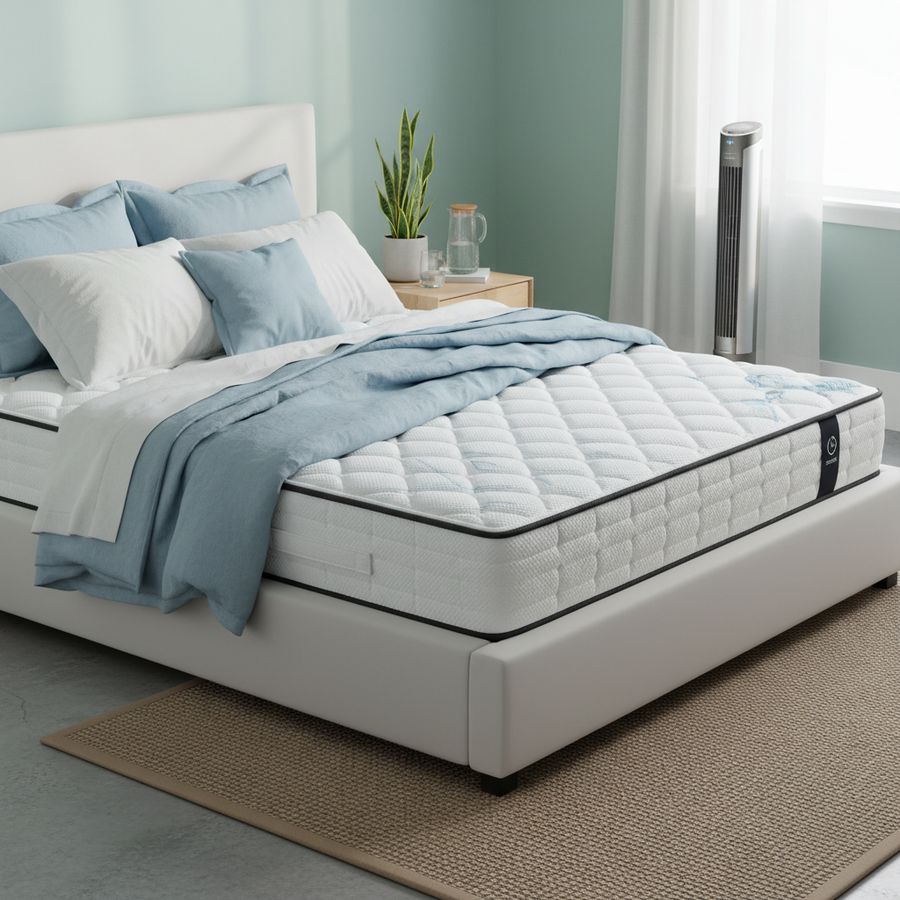
Temperature regulation is the key to a good night’s sleep when you overheat easily. A mattress that traps heat can cause night sweats and frequent awakenings. This article will walk you through why some mattresses cause overheating and which materials are proven to keep you cool throughout the night, including a detailed comparison between breathable natural fillings and synthetic foams. Additionally, you’ll discover how mattress toppers and bedding choices can enhance cooling performance.
Why You Overheat on the Wrong Mattress
Overheating during sleep is commonly caused by mattresses that lack breathability and trap body heat. Many conventional mattresses use dense foams or thick covers that reduce airflow, resulting in heat accumulation. When your body can’t dissipate heat efficiently, it triggers sweating and discomfort.
Memory foam mattresses are especially notorious for retaining heat because of their dense structure, which moulds closely to the body but limits ventilation. Similarly, mattresses with synthetic covers or fillings can inhibit moisture wicking, leading to a warmer sleeping environment.
“A mattress that does not allow for proper airflow can cause significant temperature spikes, disrupting your sleep cycle and impacting overall health.”
Additionally, your personal physiology and bedroom environment contribute to overheating. If you naturally produce more body heat or sleep in a warm room, a mattress with poor temperature regulation will only exacerbate the problem. Understanding these factors will help you select the right breathable mattress that supports a cooler sleeping surface.
Cooling Mattress Materials That Actually Work
There are several mattress materials proven to enhance cooling by improving airflow and heat dissipation. These include:
Natural latex: Naturally breathable and resilient, latex allows air to circulate freely, reducing heat buildup while providing responsive support.
Gel-infused memory foam: Incorporates cooling gel beads that absorb and disperse heat more effectively than traditional memory foam.
Open-cell foam: Engineered with a porous structure to promote airflow within the mattress core.
Innerspring coils: Traditional coil systems create space for air to flow beneath the sleeper, significantly improving ventilation.
Hybrid mattresses that combine innerspring coils with cooling foams or natural fibres often provide the best balance of comfort and temperature regulation.
The choice of mattress cover is equally important. Covers made from breathable fabrics such as organic cotton or bamboo enhance moisture-wicking and breathability, contributing to a cooler sleep environment.
Breathable Natural Fillings Vs Synthetic Foams
When comparing natural fillings to synthetic foams, the difference in breathability and cooling performance is notable. Natural fillings like wool, cotton, and cashmere are prized for their moisture-wicking properties and ability to regulate temperature by allowing air to circulate freely.
Wool, for example, naturally absorbs moisture and releases it into the air, keeping the sleeper dry and cool. Similarly, cotton is lightweight and breathable, making it a popular choice for mattress covers and toppers designed for hot sleepers.
On the other hand, synthetic foams such as polyurethane or traditional memory foam tend to trap heat due to their dense cellular structure. While some modern foams have been enhanced with cooling gels or open-cell technology, they often cannot match the natural breathability and temperature regulation of natural fibres.
“Choosing between natural and synthetic fillings is crucial for hot sleepers: natural materials offer superior airflow and moisture management, reducing night sweats and improving sleep quality.”
Ultimately, hybrid options that combine natural fibres with advanced synthetic foams can offer the best of both worlds—comfort, support, and cooling.
Choosing a Cooling Mattress Topper
A mattress topper is an excellent accessory to improve your existing mattress’s cooling properties without the immediate need for a full replacement. Toppers made from breathable materials can significantly enhance airflow and temperature regulation.
Popular cooling mattress topper options include:
Gel-infused memory foam toppers: Provide pressure relief while helping to dissipate heat.
Latex toppers: Offer natural breathability and bounce, preventing heat buildup.
Wool or cotton toppers: Utilize natural moisture-wicking properties to keep the surface fresh and cool.
Phase change material (PCM) toppers: Designed to absorb, store, and release heat to maintain a balanced temperature.
Investing in a quality mattress topper can be a cost-effective way to improve your mattress’s cooling performance and overall comfort, especially if your current mattress retains heat or lacks breathability.
Bedding and Protector Tips for Cooler Sleep
To complement your cooling mattress, choosing the right bedding and mattress protectors is essential for maintaining a comfortable sleep temperature. Lightweight, breathable fabrics like organic cotton, linen, or bamboo sheets are ideal for hot sleepers due to their moisture-wicking and airflow properties.
Avoid synthetic bedding such as polyester or microfiber, as these materials tend to trap heat and moisture, exacerbating overheating issues. Additionally, mattress protectors that are breathable and waterproof can safeguard your mattress without compromising airflow.
“Proper bedding choices can enhance your mattress’s temperature regulation, ensuring a consistently cool and comfortable sleep environment.”
Some practical tips include:
Using moisture-wicking pillowcases and sheets.
Removing heavy blankets and opting for lightweight duvets or quilts.
Regularly washing bedding to maintain freshness and reduce allergens that may disrupt sleep.
Combined with a breathable mattress and cooling topper, these bedding strategies create an optimal environment for hot sleepers seeking restful nights.
Conclusion
For hot sleepers, choosing the best mattress for hot sleepers is essential for achieving quality, restful sleep. By understanding why you might overheat on certain mattresses and recognizing the advantages of cooling mattress materials, you can make a more informed decision.
Natural fillings like wool and latex provide superior breathability and moisture management compared to many synthetic foams. However, innovative cooling technologies in hybrid mattresses and gel-infused foams also offer effective solutions for temperature regulation.
Enhancing your mattress with a cooling mattress topper and choosing breathable bedding further contribute to a cooler, more comfortable sleep environment. Together, these elements help prevent overheating, reduce night sweats, and promote deeper restorative sleep.
“Investing in the right mattress and accessories tailored for hot sleepers is not just about comfort; it’s about improving your overall health and wellbeing through better rest.”
Explore premium options handcrafted with care and designed for optimal temperature regulation to transform your nights and wake up refreshed every morning.